nu

More companies adopt flexible power grid usage as waitlist growth slows

More companies adopt flexible power grid usage as waitlist growth slows

The number of businesses waiting for an electricity connection in the Netherlands remains high at over 15,000, although the growth rate is slowing due to infrastructure upgrades and flexible energy usage. While grid operators are expanding capacity, they face challenges with large-scale projects and land acquisition, and experts warn that waitlists will likely grow again as small-scale users are added.

As of late June, the Netherlands faces a waiting list of 15,498 businesses seeking electricity grid connections, a figure that has risen only slightly since the end of 2025. While grid operators are successfully installing new low-voltage infrastructure like cables and substations in residential areas, large-scale projects such as high-voltage stations continue to face delays. Industry association Netbeheer Nederland notes that infrastructure expansion is struggling due to difficulties in acquiring necessary land, though new legislation is currently being drafted to accelerate permit and appeal procedures.

To manage the congested grid, there is an increasing shift toward flexible energy usage. Nearly 400 businesses and 400 energy producers have entered into special contracts that offer discounted rates in exchange for reducing consumption or output during peak times. Despite these innovations, grid operators anticipate the waiting lists will grow significantly in the coming months as small-scale users are added to the queues. While housing projects maintain priority, authorities confirm that sufficient capacity exists to meet the national target of 100,000 new homes annually.

Based on reporting by nu. Translated and condensed by LocalHeadlines.

Related articles

Positive news about the crowded power grid: it seems to be leveling off

Positive news about the crowded power grid: it seems to be leveling off

Waiting lists for business electricity connections in the Netherlands have stopped growing, with some regions even seeing a slight decline due to increased grid flexibility and new deposit requirements. While grid operators are accelerating infrastructure projects using AI, they continue to face significant challenges from labor shortages and bureaucratic delays in land acquisition.

Vietnamese turquoise taxis to challenge Uber and Bolt in the Netherlands

Vietnamese turquoise taxis to challenge Uber and Bolt in the Netherlands

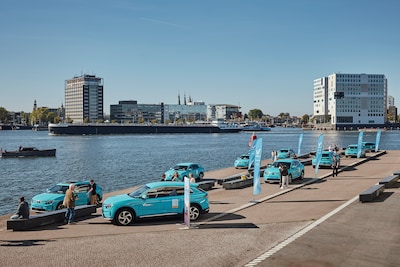
Vietnamese taxi company Green SM is launching its electric vehicle service in the Netherlands to compete with established platforms like Uber and Bolt. The company plans to start its operations in Amsterdam with a fleet of three hundred VinFast electric cars.

Tesla on track to avoid new sales decline after strong quarter

Tesla on track to avoid new sales decline after strong quarter

Tesla is seeing a rebound in global sales due to the release of cheaper Model 3 and Model Y variants, aiming to reach a record 1.8 million vehicles this year. In the Netherlands, the brand is also performing well, with the Model Y leading sales charts and total registrations rising compared to last year.

Katwijk gives green light: US multibillion-dollar obesity drug plant approved

Katwijk gives green light: US multibillion-dollar obesity drug plant approved

The municipality of Katwijk has approved the construction of a large-scale Eli Lilly pharmaceutical factory focused on obesity and diabetes medication. The project is supported by a 100 million euro government deal to improve local infrastructure and housing, though it faces ongoing scrutiny over high water and energy consumption.

'Forgotten' crypto sector fears exodus from the Netherlands: 'We are completely surprised'

'Forgotten' crypto sector fears exodus from the Netherlands: 'We are completely surprised'

The Dutch cryptocurrency sector is concerned that new tax legislation will force investors and companies to leave the Netherlands. Industry representatives argue that while other retail investors received tax exemptions, crypto users remain subject to levies on fictive profits, potentially driving them toward unregulated international platforms.