Uncertainty in oil market persists due to tensions around Strait of Hormuz
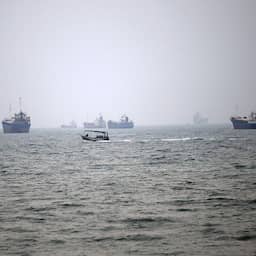
The blockade of the Strait of Hormuz continues to fuel global oil market instability as worldwide reserves drop significantly. While G7 countries are releasing strategic oil stocks to ease pressure, industry experts warn that structural supply deficits and security risks for tankers remain unresolved.
Global oil markets remain under significant pressure due to the ongoing blockage of the Strait of Hormuz, a critical waterway for global energy transit that was largely closed following military actions in late February. According to Saudi Aramco, global oil reserves have plummeted from ten billion barrels before the conflict to fewer than six billion, with only a small fraction currently available for immediate use. While the G7 nations have pledged to release 100 million barrels of strategic reserves over the next four months following a request from President Donald Trump, industry leaders warn this is merely a temporary measure that fails to address the underlying supply crisis.
Despite recent data indicating that oil exports from the Middle East have managed to return to pre-conflict levels, the situation remains precarious. Ongoing attacks on tankers and damage to critical infrastructure, such as the recent closure of a vital Saudi Arabian pipeline due to an attack from Iraq, continue to threaten supply chains. Experts note that rising global demand and the necessity for nations to replenish their depleted strategic reserves maintain intense market volatility and significant risks for commercial shipping vessels.
Based on reporting by nu. Translated and condensed by LocalHeadlines.