parool

One in ten houses sold in Amsterdam is a former rental property, landlords complain: 'The damage is enormous'
One in ten houses sold in Amsterdam is a former rental property, landlords complain: 'The damage is enormous'

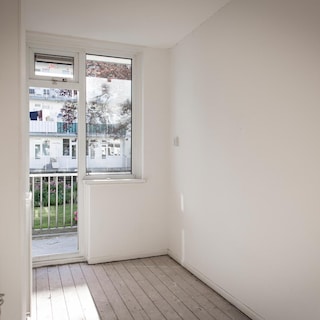
Approximately 9.1 percent of homes sold in Amsterdam were formerly rental properties as landlords exit the market following the introduction of new rental legislation and higher taxes. Across the Netherlands, rental prices in the free sector are rising faster than inflation, with Amsterdam, Amstelveen, and Haarlem ranking as the most expensive regions for tenants.

Recent data from property platform Pararius indicates that 9.1 percent of homes sold in Amsterdam were previously rental properties. Landlords are increasingly selling off their assets, citing the introduction of the Wet betaalbare huur in 2024 and rising box 3 taxes as primary reasons for declining profitability. Experts estimate that over 76,000 rental properties have been withdrawn from the national market since the legislation was implemented, creating long-term challenges for the housing sector.

Rental costs continue to outpace inflation, with average prices per square meter in the free sector rising to 28.56 euros in Amsterdam. While Amsterdam remains the most expensive city in the Netherlands, similar trends are observed nationwide, with significant price increases noted in city districts like West and South. Although municipal data shows an increase in the total number of free-sector homes over the last decade, the current wave of sales is reducing availability, leaving renters in cities like Amsterdam and Haarlem facing a increasingly competitive and costly market.

Based on reporting by parool. Translated and condensed by LocalHeadlines.

Related articles

More than 76,000 rental homes have already disappeared from the market – landlords complain about affordable rent legislation

More than 76,000 rental homes have already disappeared from the market – landlords complain about affordable rent legislation

Since the introduction of the Affordable Rent Act in 2024, over 76,000 rental homes have been sold off by landlords across the Netherlands, tightening housing supply. Rental prices are simultaneously rising faster than inflation, with Amsterdam, Amstelveen, and Haarlem remaining among the most expensive areas for tenants.

High energy costs also grip ice rinks: "Quite tense"

High energy costs also grip ice rinks: "Quite tense"

Ice rinks across the Netherlands are preparing for the upcoming season while managing high energy costs associated with maintaining ice floors. Many venues are successfully utilizing sustainable technologies like solar panels and heat recovery systems to keep operational expenses stable.

Four out of ten new homes in Haarlem were affordable for middle incomes in recent years

Four out of ten new homes in Haarlem were affordable for middle incomes in recent years

Between 2021 and 2024, only 41 percent of new homes built in Haarlem were affordable for low and middle-income residents, missing the upcoming national target of two-thirds. However, future development plans aim to reach 70 percent affordability by 2045 through various large-scale housing projects.

Amsterdam city center relies more heavily on tourists than other cities, Van der Horst warns of economic risk

Amsterdam city center relies more heavily on tourists than other cities, Van der Horst warns of economic risk

Amsterdam's retail and hospitality sectors rely heavily on tourism, leading to concerns from Deputy Mayor Van der Horst about economic vulnerability. The official warns that this focus on visitors risks alienating local customers and creating an imbalanced business landscape.

Booking.com faces lawsuit over mandatory office days for staff

Booking.com faces lawsuit over mandatory office days for staff

Booking.com has initiated legal action against its own works council after the body refused to approve a new policy requiring staff at its Amsterdam headquarters to work from the office three days a week. The company argues that increased in-person attendance is essential to improve collaboration and maintain competitiveness, while the works council maintains that such a change requires their formal consent.