nu

Oil prices rise after multiple tanker attacks in Strait of Hormuz

Oil prices rise after multiple tanker attacks in Strait of Hormuz

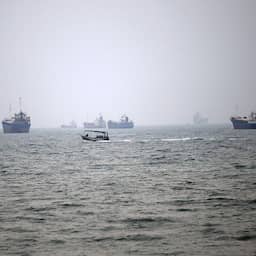
At least twelve attacks on tankers in the Strait of Hormuz between late September and early October have caused shipping traffic to plummet to a two-month low. The resulting supply chain disruptions have driven global oil prices upward and led to increased fuel costs at the pump.

Between September 28 and October 5, at least twelve attacks occurred against oil, LNG, and LPG tankers in the Strait of Hormuz. These maritime security incidents have significantly disrupted shipping lanes, with vessel traffic hitting a two-month low. As a result, hundreds of tankers remain stranded due to the ongoing conflict between Iran and the United States, which has blocked the strategic waterway for several months.

Global oil prices responded sharply to the instability, with Brent crude rising by 2.6 percent to reach 102.80 dollars per barrel, while U.S. oil prices increased by 2.1 percent to 90.37 dollars. This supply chain disruption is impacting consumers, as evidenced by a slight rise in gasoline prices at the pump. The situation remains uncertain following the rejection of a recent ceasefire proposal by U.S. President Donald Trump, and the long-term impact on global energy markets continues to be a concern as prices remain elevated.

Based on reporting by nu. Translated and condensed by LocalHeadlines.
Related articles

Electric cars are driving further into Europe, but watch out for hidden costs in France

Electric cars are driving further into Europe, but watch out for hidden costs in France

Dutch electric vehicle drivers are increasingly traveling further across Europe, but the ANWB warns that hidden costs like blocking fees remain a problem in countries such as France. Drivers are advised to check tariff details in charging apps to avoid significant unexpected charges for staying connected to a station after a battery is full.

IMF: Public debt, energy demand and energy prices threaten global economy

IMF: Public debt, energy demand and energy prices threaten global economy

The IMF has warned that the global economy faces significant threats from rising national debt, increasing energy demand driven by AI, and high energy prices. These economic pressures are creating growing inequality between nations, prompting the organization to call for immediate international policy action.

Raids on Japanese brewers over price-fixing, including Grolsch parent company

Raids on Japanese brewers over price-fixing, including Grolsch parent company

Japanese antitrust authorities have raided four major breweries, including Asahi Breweries, over allegations of illegal price-fixing. The companies are suspected of coordinating price increases for their products, impacting both wholesalers and end consumers.

Uncertainty in oil market persists due to tensions around Strait of Hormuz

Uncertainty in oil market persists due to tensions around Strait of Hormuz

The blockade of the Strait of Hormuz continues to fuel global oil market instability as worldwide reserves drop significantly. While G7 countries are releasing strategic oil stocks to ease pressure, industry experts warn that structural supply deficits and security risks for tankers remain unresolved.

Germany calls Damen's claim for damages after order cancellation unfounded

Germany calls Damen's claim for damages after order cancellation unfounded

Germany has dismissed a 4.7 billion euro damage claim from the Dutch shipbuilder Damen Naval following the cancellation of a contract for six naval vessels. While German officials argue the project was halted due to unacceptable delays and budget issues, Damen contends that the government itself is to blame for the setbacks.