More rabbits needed to unlock nitrogen gridlock in Rotterdam port
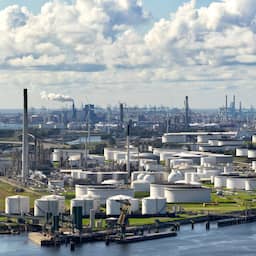
Authorities are initiating a massive ecological restoration project in dunes around the Port of Rotterdam to combat a long-standing nitrogen permit deadlock. By improving habitat conditions and supporting local wildlife, the project aims to satisfy environmental requirements, allowing the port to resume stalled industrial investments and permit processing.
To address the permit deadlock at the Port of Rotterdam, officials have launched a comprehensive plan to restore local dune ecosystems. By increasing water levels, removing invasive species like Japanese knotweed, and boosting rabbit and Scottish Highlander populations to keep dunes open, authorities aim to improve environmental conditions. These efforts target several Natura 2000 areas and are supported by a 50-million-euro government investment, following findings that the area’s ecology is in better shape than previously estimated.
This restoration strategy is crucial for the industrial sector, which has faced nearly two years of frozen permit applications due to nitrogen regulation constraints. Business leaders at the port, including representatives from Deltalinqs, welcome the initiative as it removes a major hurdle for planned investments. While the legal viability of these new management plans will ultimately be tested in court, local officials are optimistic that the measures will permanently resolve the nitrogen-related development stalemate that has hampered the region's economic operations.
Based on reporting by nu. Translated and condensed by LocalHeadlines.