nu

House prices exceed half a million, but buyers have more choice again
House prices exceed half a million, but buyers have more choice again

Dutch house prices reached an average of 503,000 euros in the third quarter, a slight increase amid a 24 percent rise in available housing supply. Despite more properties being on the market, sales remained stable due to a mismatch between buyer demand and the prevalence of small, new-build apartments.

The average selling price of Dutch homes surpassed 503,000 euros in the third quarter, representing a modest 1.8 percent increase compared to the previous year. Data from the NVM brokers' association reveals that while the supply of existing homes rose by 24 percent to approximately 39,000 properties, the total number of sales remained stagnant at 41,700. This increase in supply is largely attributed to a rise in the number of former rental apartments hitting the market. Despite having more options, buyers are facing significant regional variations, with prices actually declining in areas such as Haarlem and Zeeland, while rising sharply in parts of Drenthe and Limburg.

New construction supply also hit its highest level since 2015, yet sales are hampered by a mismatch between the types of homes built and actual consumer demand. Currently, 63 percent of new construction inventory consists of similar, small apartments. NVM officials advocate for a more diversified housing supply to better align with buyer budgets and preferences, noting that current market conditions remain tight despite the uptick in overall availability.

Based on reporting by nu. Translated and condensed by LocalHeadlines.
Related articles

Sharp rise in homes for sale, but concerns over ‘mismatch’ and ‘shrinkflation’ in new construction

Sharp rise in homes for sale, but concerns over ‘mismatch’ and ‘shrinkflation’ in new construction

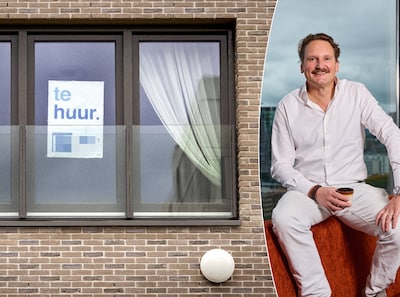
The Dutch housing market has seen a substantial increase in both existing and new-build home listings, offering buyers more negotiation room and choice. However, sales for new construction projects are declining as high building costs lead to smaller, more expensive units that often fail to meet buyer needs.

High rents drive away candidates: private sector homes stay online longer

High rents drive away candidates: private sector homes stay online longer

Rental interest in the Netherlands has dropped significantly as rising prices and decreasing housing supply make finding a home more difficult. Landlords are increasingly selling their properties due to legislative changes and higher taxes, leading to a rental shortage that Pararius warns could take decades to address.

More than 76,000 rental homes have already disappeared from the market – landlords complain about affordable rent legislation

More than 76,000 rental homes have already disappeared from the market – landlords complain about affordable rent legislation

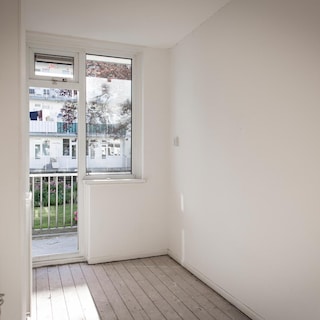
Since the introduction of the Affordable Rent Act in 2024, over 76,000 rental homes have been sold off by landlords across the Netherlands, tightening housing supply. Rental prices are simultaneously rising faster than inflation, with Amsterdam, Amstelveen, and Haarlem remaining among the most expensive areas for tenants.

One in ten houses sold in Amsterdam is a former rental property, landlords complain: 'The damage is enormous'

One in ten houses sold in Amsterdam is a former rental property, landlords complain: 'The damage is enormous'

Approximately 9.1 percent of homes sold in Amsterdam were formerly rental properties as landlords exit the market following the introduction of new rental legislation and higher taxes. Across the Netherlands, rental prices in the free sector are rising faster than inflation, with Amsterdam, Amstelveen, and Haarlem ranking as the most expensive regions for tenants.

High energy costs also grip ice rinks: "Quite tense"

High energy costs also grip ice rinks: "Quite tense"

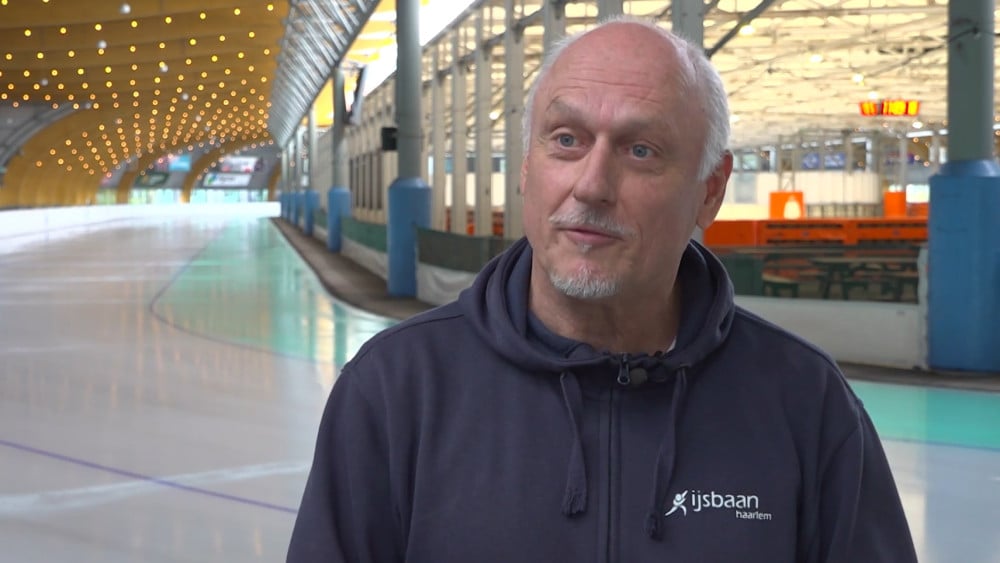
Ice rinks across the Netherlands are preparing for the upcoming season while managing high energy costs associated with maintaining ice floors. Many venues are successfully utilizing sustainable technologies like solar panels and heat recovery systems to keep operational expenses stable.