Small households could save 200 euros by using time-of-use electricity tariffs
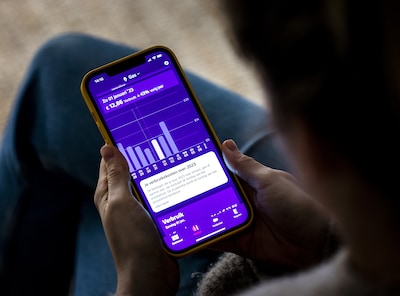
The Dutch regulatory authority ACM will introduce variable electricity transport tariffs in 2029 to manage peak grid demand. Small households could save up to 200 euros per year by shifting usage to off-peak hours, while high-usage households may face increased costs.
Starting in 2029, the Netherlands will introduce variable electricity transport tariffs to reduce grid congestion. This shift aims to incentivize consumers to spread their power usage throughout the day, moving away from a fixed-rate system where all households pay the same for network maintenance regardless of their consumption habits. Under the new rules, transport costs will be divided into cheap, normal, and peak hours. Small households are expected to save up to 200 euros annually by adjusting their usage, while high-consumption households, such as those with heat pumps and electric vehicles, may see costs increase by up to 450 euros.
The regulatory body ACM expects this system to lower peak demand by 10 percent, creating enough capacity to connect 700,000 additional homes. Despite potential cost increases for heavy users, the ACM maintains that utilizing heat pumps remains more cost-effective than using traditional gas boilers. These variable rates apply exclusively to transport fees, while energy prices and taxes remain separate. An increase in general transport costs is also planned for 2027 to fund necessary grid expansions.
Based on reporting by ad. Translated and condensed by LocalHeadlines.