rss

Politicians in Southeast oppose higher tourist tax: "This is annexed territory"
Politicians in Southeast oppose higher tourist tax: "This is annexed territory"

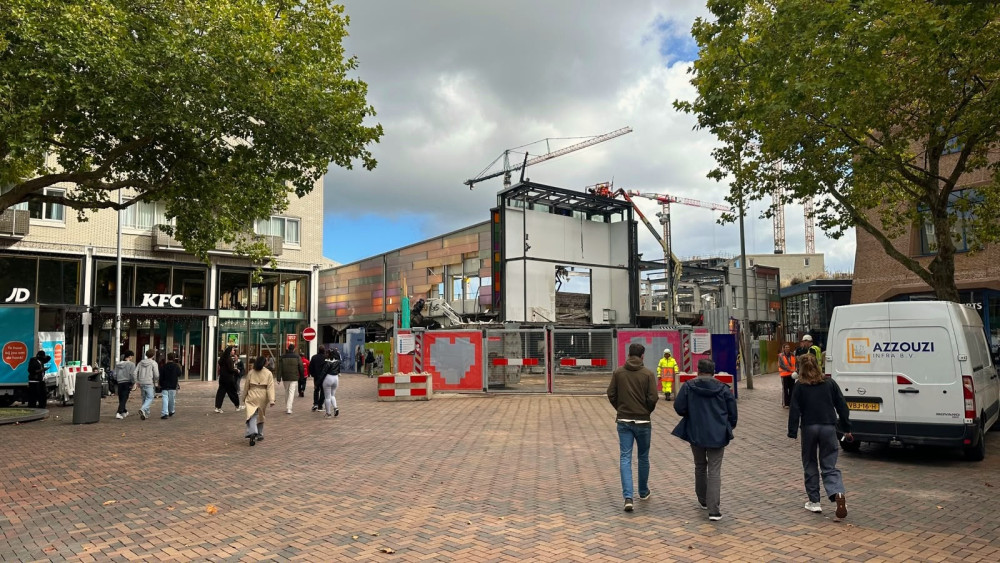
Politicians in Amsterdam Zuidoost sought an exemption from the city's planned tourist tax hike, arguing that their district does not face the same tourism-related issues as the city center. The proposal was ultimately rejected by a majority vote, meaning the planned tax increase to 16 percent and eventually 20 percent will proceed.

Local politicians from the BAZ and VVD parties in Amsterdam Zuidoost have formally requested an exemption from the city's upcoming increase in tourist tax. They argue that the policy is intended to address overcrowding and nuisance issues prevalent in the city center, which are not present in their district. The proponents of the exemption fear that higher rates will damage the local economy, harm the competitiveness of regional hotels, and threaten jobs, especially since neighboring municipalities like Diemen and Duivendrecht are not increasing their taxes. The district committee members emphasize that Zuidoost is geographically separated from the rest of the capital by other municipalities, making the uniform city tax policy unfair.

However, a majority in the district committee, including members from D66, ChristenUnie, and PRO, rejected the proposal during a meeting at the Anton de Komplein office. Consequently, the city's plan to raise the tourist tax from 12.5 percent to 16 percent, with further annual increases reaching 20 percent by the end of the term, will proceed as scheduled.

Based on reporting by rss. Translated and condensed by LocalHeadlines.

Related articles

End to intake freeze at Levvel, youths with severe issues can once again be admitted in Amsterdam

End to intake freeze at Levvel, youths with severe issues can once again be admitted in Amsterdam

Care organization Levvel has ended its intake freeze for Amsterdam youth following successful negotiations to secure more beds for those in need of severe residential care. While access has been restored, the municipality is demanding better coordination among providers and has initiated an independent financial audit of Levvel to ensure future stability.

Arrival of East Bridge delayed again, municipality still short at least 170 million euros

Arrival of East Bridge delayed again, municipality still short at least 170 million euros

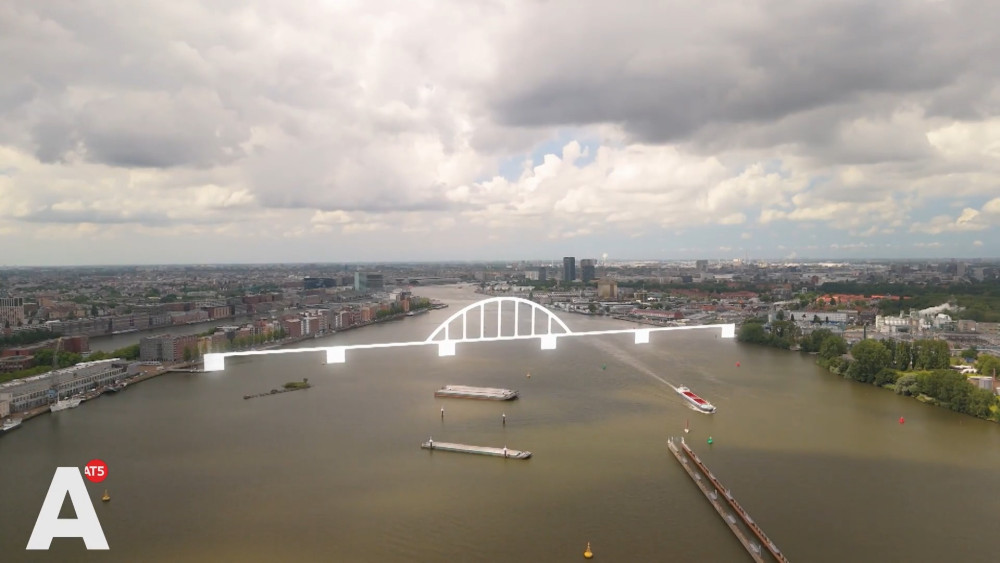
The construction of the Oostbrug in Amsterdam faces further delays as the project currently faces a funding shortfall of at least 170 million euros. Technical complexities and rising costs have led to significantly higher budget requirements, with the municipality now seeking additional support from national and regional authorities to finalize the plans by 2027.

Municipality blunders with parking revenue: earmarked funds possibly misspent

Municipality blunders with parking revenue: earmarked funds possibly misspent

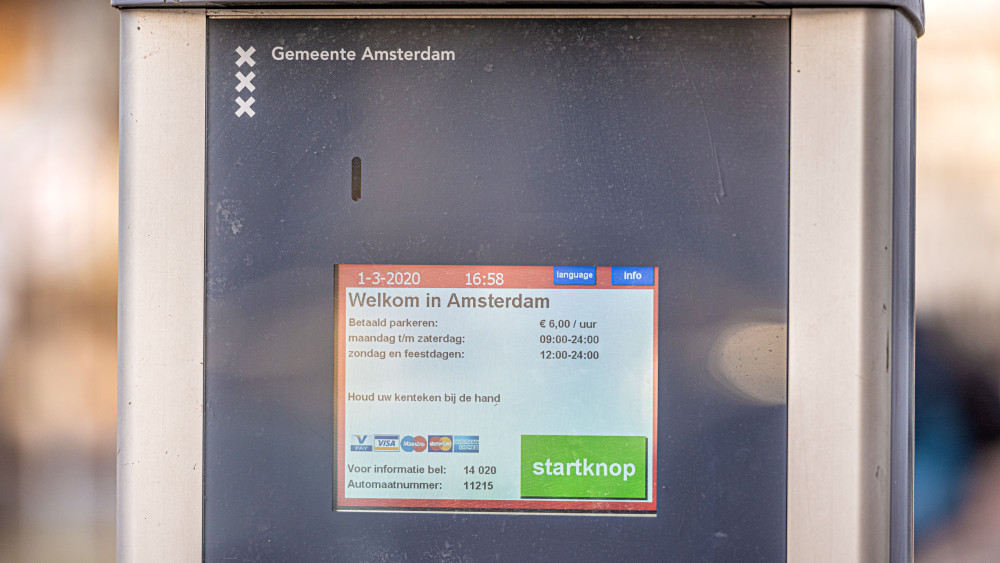
The Amsterdam municipal government failed to officially repeal a 2020 ordinance that legally earmarks parking revenue for specific traffic and transport purposes. This administrative error means that funds intended for these projects may have been improperly spent elsewhere, leading to calls for full financial transparency from opposition council members.

Court of Audit critical of budget: "Insufficient information provided"

Court of Audit critical of budget: "Insufficient information provided"

The Amsterdam-Zaanstad Court of Audit has criticized the city's new budget for lacking transparency and failing to provide concrete plans for 344 million euros in planned savings. The body also expressed concern over rising debt levels and the limited explanation regarding proposed personnel cuts, urging the city council to demand more information before voting in November.

Halsema: number of tourists must be curbed, even if it costs the hospitality industry visitors

Halsema: number of tourists must be curbed, even if it costs the hospitality industry visitors

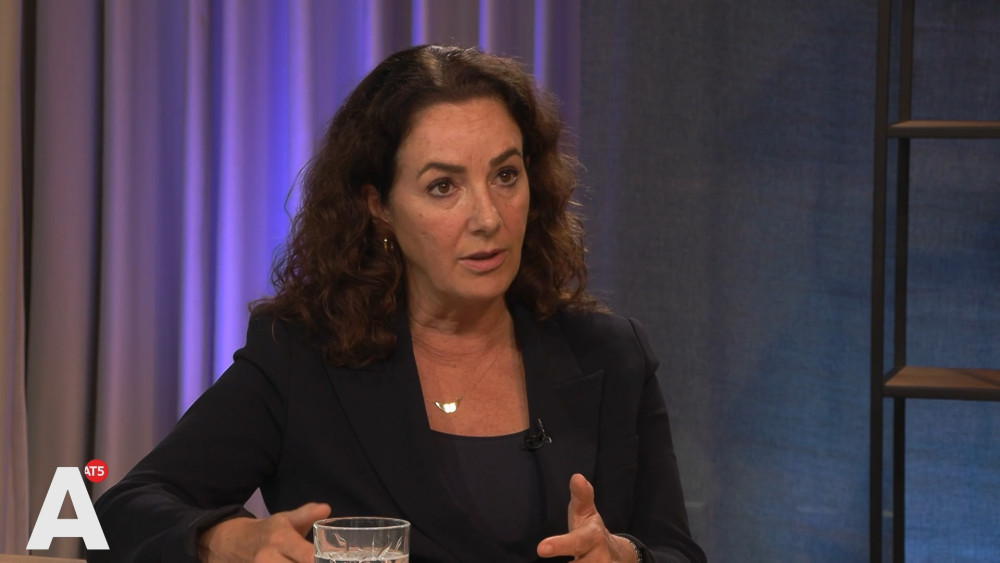
Amsterdam Mayor Femke Halsema has stated that the city must actively reduce the number of annual tourists to protect local livability and curb negative issues like waste. Although she acknowledges that limiting visitors may negatively affect hospitality revenue, she argues that the environmental and social costs of mass tourism are no longer sustainable.