Netherlands wants to curb EU budget, but Europe needs more money
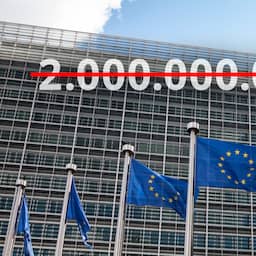
The Netherlands is urging for significant cuts to the European Commission's proposed 2,000 billion euro long-term budget, favoring a shift toward innovation and defense. While the Commission aims to reallocate funds from traditional agriculture and cohesion sectors, economists emphasize that achieving European competitiveness will require more efficient, joint investments rather than just focusing on spending levels.
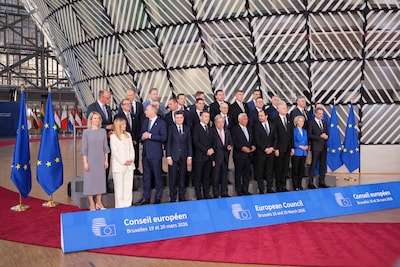
Prime Minister Rob Jetten is scheduled to meet with European Council President António Costa at the Catshuis to discuss the upcoming European long-term budget. The European Commission has proposed a seven-year budget of nearly 2,000 billion euros, representing a 60 percent increase. This plan includes shifting funds away from traditional agricultural and regional cohesion programs toward innovation, security, and defense. The Netherlands, alongside five other nations, opposes this level of spending and is pushing for significant cuts to the total proposal.
Experts warn that reducing established agricultural subsidies is politically challenging, potentially threatening new funding for defense and economic competitiveness. Economists emphasize that beyond the total budget size, the efficiency of these investments is critical for improving European productivity and competitiveness against the United States. Analysts argue that joint procurement and coordinated strategies could offer necessary scale advantages for EU members. Ultimately, officials are navigating the tension between limiting overall expenditure due to higher interest rates and the need to increase spending to address modern European priorities.
Based on reporting by nu. Translated and condensed by LocalHeadlines.