ad

Haarlem city treasury grew last year: nearly 380 million euros in cash

Haarlem city treasury grew last year: nearly 380 million euros in cash

The municipality of Haarlem saw its financial reserves grow to nearly 380 million euros by the end of 2025, reaching its highest level since 2016. This growth is driven by higher-than-expected revenues and the challenge of spending allocated budgets, reflecting a national trend among Dutch municipalities.

The municipality of Haarlem ended 2025 with nearly 380 million euros in its treasury, marking a continued growth in reserves that began in 2017. Of this total, approximately 250 million euros is already earmarked for specific purposes, while the remaining balance serves as a buffer against potential financial setbacks. Despite this significant accumulation, Haarlem's reserve per resident is 2,230 euros, which remains lower than the national average of 2,546 euros. The city's financial position reflects a broader trend among Dutch municipalities, which collectively increased their reserves by nearly 3 billion euros last year.

The increase in savings is largely attributed to difficulties in spending allocated funds, often due to labor shortages, and uncertainty regarding future funding from the national government. In 2025 alone, Haarlem collected over 970 million euros in revenue, significantly exceeding its initial budget projections. Financial projections suggest that the city's reserves may continue to grow through 2029, though future analysis of the multi-year budget remains pending following recent local political developments.

Based on reporting by ad. Translated and condensed by LocalHeadlines.
Related articles

More than 76,000 rental homes have already disappeared from the market – landlords complain about affordable rent legislation

More than 76,000 rental homes have already disappeared from the market – landlords complain about affordable rent legislation

Since the introduction of the Affordable Rent Act in 2024, over 76,000 rental homes have been sold off by landlords across the Netherlands, tightening housing supply. Rental prices are simultaneously rising faster than inflation, with Amsterdam, Amstelveen, and Haarlem remaining among the most expensive areas for tenants.

Haarlem invests in a complete city

Haarlem invests in a complete city

The Haarlem municipal executive has presented its 2027-2031 program budget, focusing on area-specific development and continued investment in local infrastructure. The plan aims to balance urban growth and social equality while preparing for future financial challenges as structural deficits are projected by the end of the decade.

Haarlem Christmas Market to remain a three-day event for the coming years

Haarlem Christmas Market to remain a three-day event for the coming years

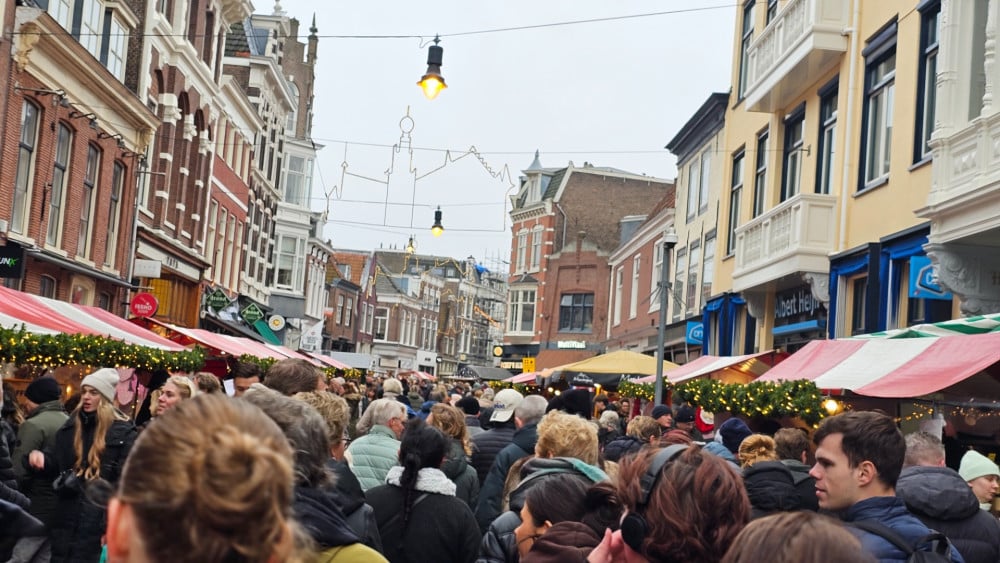
The Haarlem Christmas market will continue as a traditional three-day event after city officials narrowly rejected a proposal to turn it into a multi-week winter festival. Instead, the municipality plans to outsource the organization of the event to an external party starting in 2028 to reduce public costs.

Netherlands wants to curb EU budget, but Europe needs more money

Netherlands wants to curb EU budget, but Europe needs more money

The Netherlands is urging for significant cuts to the European Commission's proposed 2,000 billion euro long-term budget, favoring a shift toward innovation and defense. While the Commission aims to reallocate funds from traditional agriculture and cohesion sectors, economists emphasize that achieving European competitiveness will require more efficient, joint investments rather than just focusing on spending levels.

City to grow to 1.08 million residents by 2050, with fewer families and a rapidly aging population

City to grow to 1.08 million residents by 2050, with fewer families and a rapidly aging population

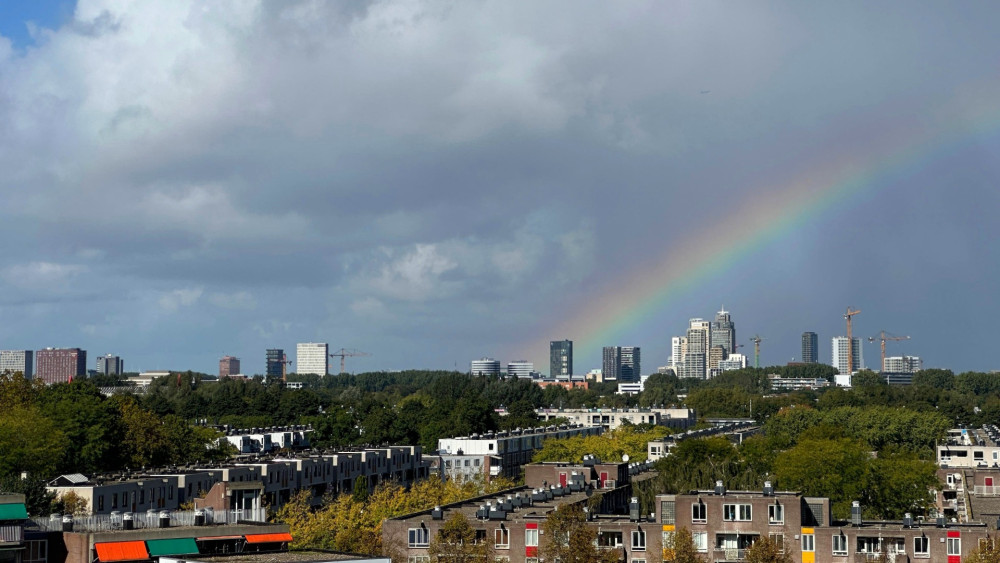
Amsterdam is projected to reach 1.08 million residents by 2050, driven primarily by international migration. However, the city faces challenges from a rapidly aging population and a housing market that makes it increasingly difficult for families and essential workers to find affordable, suitable homes.