nu

ABN AMRO expects newspaper revenue growth due to willingness to pay for news
ABN AMRO expects newspaper revenue growth due to willingness to pay for news

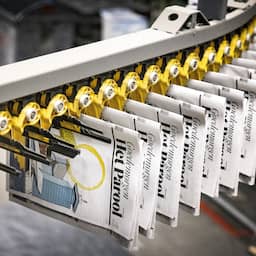
Dutch newspaper publishers experienced their sixth consecutive year of revenue growth, reaching 1.2 billion euros, largely driven by a surge in digital subscriptions. While advertising income has dwindled due to competition from big tech, newspapers are increasingly relying on paid readers and leveraging new formats like podcasts and AI tools to maintain their market relevance.

Dutch newspaper publishers reported a total revenue of over 1.2 billion euros last year, marking a 2 percent increase and the sixth consecutive year of growth since 2019. This positive financial trend is driven primarily by an increase in digital subscriptions, which rose by 13 percent to 224 million euros. While advertising revenue has declined due to the dominance of major tech companies like Google and Meta, paid readers now account for more than 80 percent of total publisher income, a significant shift from the 50 percent share recorded in 2005. Podcasts are also playing an increasing role in attracting new audiences and driving subscription growth.

Looking ahead, ABN AMRO notes that artificial intelligence presents a complex outlook for the industry. While AI-driven search results from companies like Google could potentially reduce traffic to news websites by providing summary answers, the technology also offers benefits. Publishers are exploring AI tools to improve user experience, such as enabling search capabilities within extensive article archives, as seen with international outlets like The Economist and Financial Times.

Based on reporting by nu. Translated and condensed by LocalHeadlines.

Related articles

Demand for affordable and sustainable funerals grows: 'Just put me in a cardboard box'

Demand for affordable and sustainable funerals grows: 'Just put me in a cardboard box'

The funeral industry in the Netherlands is preparing for a shift in consumer demand toward more affordable and environmentally friendly burial options. As part of this transition, the sector is exploring sustainable alternatives such as alkaline hydrolysis, commonly known as resomation, to accommodate those seeking cheaper or greener end-of-life choices.

Significant victory for FrieslandCampina: Chocomel yellow trademarked

Significant victory for FrieslandCampina: Chocomel yellow trademarked

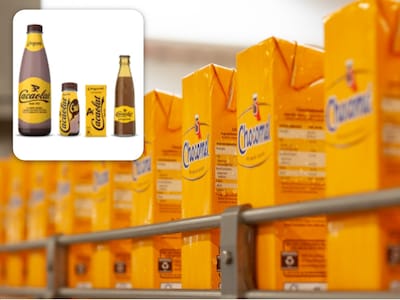
FrieslandCampina has successfully obtained an exclusive trademark for the signature yellow color of its Chocomel packaging after a dispute with Spanish competitor Grupo Cacaolat. The Benelux Office for Intellectual Property ruled that the competitor had engaged in free riding by adopting the distinct shade, confirming the color is intrinsically linked to the Chocomel brand.

Tipping is voluntary, but it doesn't feel that way with a payment screen under your nose

Tipping is voluntary, but it doesn't feel that way with a payment screen under your nose

The increasing use of digital tipping screens in the Dutch hospitality sector is raising concerns over consumer manipulation through dark patterns and social pressure. While businesses see them as a convenient payment tool, psychologists argue these designs exploit human behavior to extract higher tips, potentially damaging the customer experience.

Opticians divided over sale of 'spy glasses': 'We won't wait for a ban'

Opticians divided over sale of 'spy glasses': 'We won't wait for a ban'

Dutch opticians are divided over selling AI-integrated smart glasses, with some retailers choosing to pull the products from shelves due to privacy concerns and others maintaining sales. The government is currently reviewing potential regulations while awaiting further guidance from the European Data Protection Board.

Bol pulls 'inappropriate' AI video glasses with manipulation stickers from sale, still available elsewhere

Bol pulls 'inappropriate' AI video glasses with manipulation stickers from sale, still available elsewhere

Bol.com has removed stickers from its website that allowed users to hide the recording indicator lights on video glasses. The retailer decided to ban the products after concerns were raised regarding their use in facilitating unauthorized and secret filming.