ad

US pushes ahead with sanctions and aims to cripple 'rogue' ICC, risking new diplomatic row
US pushes ahead with sanctions and aims to cripple 'rogue' ICC, risking new diplomatic row

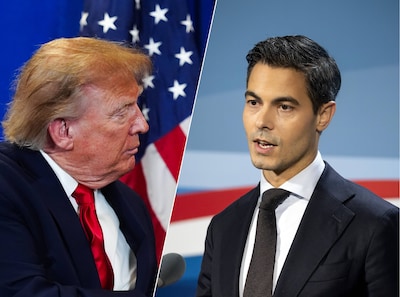
The United States has imposed new sanctions against the International Criminal Court in The Hague, aiming to disrupt its operations and prevent the prosecution of American citizens. In response, the Netherlands and the European Union are considering invoking a rare blocking statute to protect the court, signaling a significant diplomatic clash.

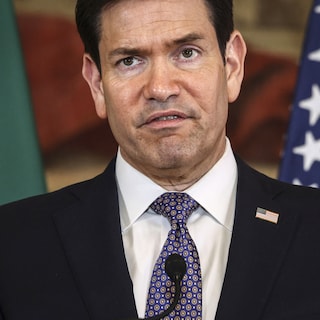
The United States has announced new sanctions against the International Criminal Court (ICC) based in The Hague, with Secretary of State Marco Rubio describing the institution as rogue. The U.S. aims to cripple the court's operations by restricting its ability to conduct financial transactions and communicate, asserting that President Trump will not permit the prosecution of Americans. While the sanctions are slated to take effect in six months, they have prompted a potential diplomatic confrontation with European partners. The Netherlands, as the host nation, has expressed a commitment to protecting the court, while the European Commission is considering invoking a rare blocking statute to shield companies from complying with these American measures. This move places European businesses, particularly banks with U.S. operations, in a difficult position, yet officials emphasize the importance of safeguarding international law. The tensions reflect a deepening rift between the Trump administration and the ICC, further complicated by the court's recent activities, including an arrest warrant for Israeli Prime Minister Benjamin Netanyahu.

Based on reporting by ad. Translated and condensed by LocalHeadlines.
Related articles

US imposes sanctions on ‘rogue’ ICC: new diplomatic row looms

US imposes sanctions on ‘rogue’ ICC: new diplomatic row looms

The United States has imposed new sanctions on the International Criminal Court in The Hague, labeling the institution a rogue entity and seeking to halt its operations. In response, the Dutch government and the European Commission are considering implementing a blocking statute to protect the Court and allow it to continue functioning despite the US measures.

EU selects 46 raw materials projects to reduce dependence on China

EU selects 46 raw materials projects to reduce dependence on China

The European Commission has launched 46 projects across sixteen countries to reduce reliance on China for vital raw materials like lithium and copper. These initiatives, supported by prioritized permits and funding assistance, aim to significantly boost domestic processing and recycling capacity by 2030.

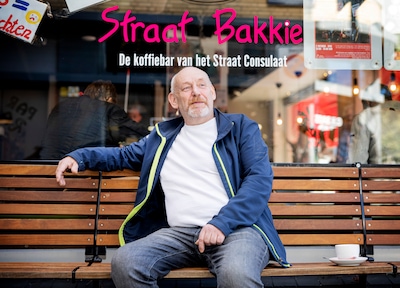
Pieter (64) could no longer afford high rent and ended up on the street: I was just surviving

Pieter (64) could no longer afford high rent and ended up on the street: I was just surviving

After suffering a series of financial setbacks, 64-year-old Pieter Willems lost his home and was forced to live on the streets. He is now joining a protest in Amsterdam to raise awareness about the worsening housing crisis and the vulnerability of those facing homelessness.

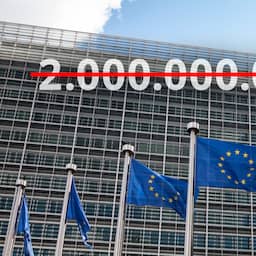
Netherlands wants to curb EU budget, but Europe needs more money

Netherlands wants to curb EU budget, but Europe needs more money

The Netherlands is urging for significant cuts to the European Commission's proposed 2,000 billion euro long-term budget, favoring a shift toward innovation and defense. While the Commission aims to reallocate funds from traditional agriculture and cohesion sectors, economists emphasize that achieving European competitiveness will require more efficient, joint investments rather than just focusing on spending levels.

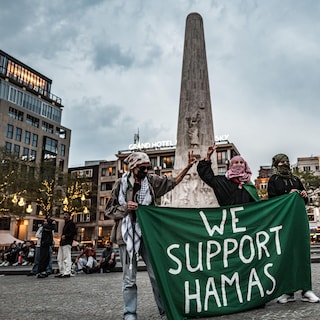
Cabinet wants prison sentences for Hamas support, but Dam Square banner is officially not punishable. How does that work?

Cabinet wants prison sentences for Hamas support, but Dam Square banner is officially not punishable. How does that work?

Protesters in Amsterdam were seen displaying a banner in support of Hamas, yet the Public Prosecution Service determined that their actions were not legally punishable. In response, the Dutch cabinet is considering new legislation to criminalize support for organizations designated as terrorist groups.