ad

Supermarkets spark a stroopwafel war: 3.2 cents per waffle, but why?
Supermarkets spark a stroopwafel war: 3.2 cents per waffle, but why?

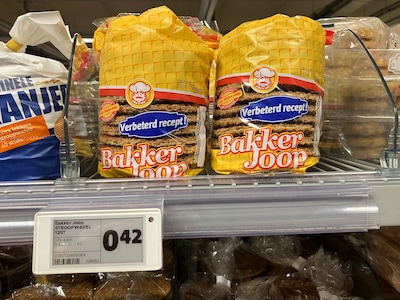
Dutch supermarkets are currently competing in a price war over stroopwafels, with some chains reducing costs to as low as 38 cents per pack to boost their low-price image. While most major retailers have joined this trend to influence consumer perception, the regional chain Poiesz has opted out, citing concerns over the sustainability of selling goods below cost.

Supermarket chains in the Netherlands are engaging in a fierce pricing war over stroopwafels, with the cost of a pack dropping as low as 38 cents. The popular Bakker Joop brand has become the primary focus, with retailers like Dirk, Jumbo, Plus, and DekaMarkt slashing prices to attract customers. These items are often used as loss leaders to enhance a store's budget-friendly reputation, a common tactic previously applied to goods like bananas and milk. Analysts note that these ultra-low prices, reaching about 3.2 cents per waffle, are designed to influence consumer perception during periodic price surveys, including those conducted by the Consumentenbond.

Not all retailers are participating in this trend. The Friesland-based chain Poiesz has explicitly refused to lower its prices, maintaining a cost of 1.15 euros per pack. They argue that selling products significantly below their purchase price is an unhealthy market development. Meanwhile, major players like Albert Heijn, Aldi, and Lidl have adjusted their own private-label pricing to remain competitive, creating a stark contrast with premium brands like Kanjers, which continue to sell for nearly ten times the price of the promotional waffles.

Based on reporting by ad. Translated and condensed by LocalHeadlines.
Related articles

AH still suffering from cyber incident: groceries not delivered today, website remains down

AH still suffering from cyber incident: groceries not delivered today, website remains down

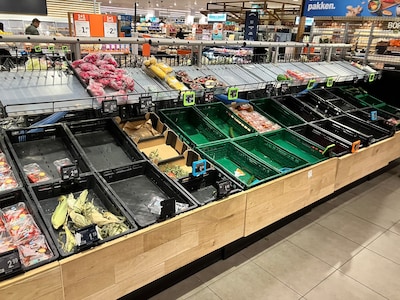
Albert Heijn is facing widespread operational disruptions following a major cybersecurity incident that has left its website and delivery services offline. While physical stores remain open, customers are dealing with product shortages, inaccurate pricing, and an inability to access personal bonus offers.

Inflation rises further, with fuel prices leading the increase

Inflation rises further, with fuel prices leading the increase

Inflation in the Netherlands increased in September, largely fueled by rising fuel prices and more expensive consumer electronics. Conversely, grocery prices decreased, providing some relief as the overall inflation rate remains below the peak levels seen earlier this year.

Private landlords in Haarlem sell off property: 1,235 fewer rental homes last year

Private landlords in Haarlem sell off property: 1,235 fewer rental homes last year

Private landlords in Haarlem sold off 1,235 rental properties last year, significantly reducing housing options for middle-income residents. The decline is attributed to stricter government regulations and higher taxes, which have made private renting less financially attractive across the Netherlands.

Surprise over Meta CEO's comments on AI glasses, Dutch foundation files summary proceedings

Surprise over Meta CEO's comments on AI glasses, Dutch foundation files summary proceedings

Dutch advocacy group Offlimits is taking Meta to court to stop the sale of its AI smart glasses, citing widespread misuse of the device's camera for non-consensual filming. While Meta maintains the product is safe and defends its utility, the organization argues the device violates privacy laws and poses a significant threat to public safety.

IMF raises economic growth forecasts for the Netherlands and the world

IMF raises economic growth forecasts for the Netherlands and the world

The International Monetary Fund has raised its economic growth forecast for the Netherlands to 1.5 percent for this year, citing improved conditions and a stronger recovery in Germany. Global economic growth is also trending upward at 3.1 percent, supported by investments in artificial intelligence and effective energy supply management despite ongoing geopolitical instability.