nu

Jetten wants American diesel deal with 'enemy' Russia scrapped
Jetten wants American diesel deal with 'enemy' Russia scrapped

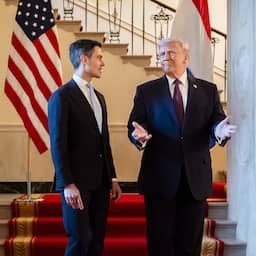
Dutch Prime Minister Jetten has condemned a new deal for the United States to purchase 300,000 tons of diesel from Russia, calling it unwise and a direct contradiction of efforts to sanction an enemy. The government expressed strong concerns that the move undermines collective security and fails to address domestic fuel price issues in the U.S. before the midterm elections.

Dutch Prime Minister Jetten has sharply criticized a new diesel agreement between the United States and Russia, labeling the deal as unwanted and unwise. President Trump finalized the purchase of 300,000 tons of Russian diesel in an effort to lower domestic fuel prices following rising costs caused by conflict in Iran. However, the move has caused significant international tension, particularly in Ukraine, which fears the deal will bolster the Russian war chest amid ongoing hostilities. In the Dutch parliament, concerns were raised regarding the contradiction of a key NATO ally providing financial support to a country officially designated as an enemy.

Jetten confirmed that the Netherlands has already expressed its disapproval to the United States and pledged to continue lobbying against the arrangement. The Prime Minister also expressed skepticism regarding the deal's effectiveness, noting that Russian shipments would likely arrive too late to impact American fuel prices before the upcoming midterm elections. Additionally, Jetten reaffirmed the commitment of the Netherlands to defense spending, emphasizing that the investment is for the protection of the nation and the continent rather than solely to satisfy foreign demands.

Based on reporting by nu. Translated and condensed by LocalHeadlines.
Related articles

Netherlands unprepared for large-scale wartime military transport: billions needed

Netherlands unprepared for large-scale wartime military transport: billions needed

The Dutch Court of Audit reports that the Netherlands lacks the infrastructure necessary for large-scale military transport, failing to meet several technical NATO requirements. Addressing these issues, including bridge clearance and road capacity, is estimated to cost nearly 10 billion euros.

German nitrogen rules much more lenient than ours, but we cannot adopt them

German nitrogen rules much more lenient than ours, but we cannot adopt them

Germany uses a much higher nitrogen threshold for construction permits compared to the strict 0.005 mole limit enforced in the Netherlands. Although this appears to offer a solution to the Dutch nitrogen crisis, legal experts state that adopting the German standard is legally unfeasible due to different judicial interpretations of environmental impact and European regulations.

EU selects 46 raw materials projects to reduce dependence on China

EU selects 46 raw materials projects to reduce dependence on China

The European Commission has launched 46 projects across sixteen countries to reduce reliance on China for vital raw materials like lithium and copper. These initiatives, supported by prioritized permits and funding assistance, aim to significantly boost domestic processing and recycling capacity by 2030.

Pieter (64) could no longer afford high rent and ended up on the street: I was just surviving

Pieter (64) could no longer afford high rent and ended up on the street: I was just surviving

After suffering a series of financial setbacks, 64-year-old Pieter Willems lost his home and was forced to live on the streets. He is now joining a protest in Amsterdam to raise awareness about the worsening housing crisis and the vulnerability of those facing homelessness.

Netherlands wants to curb EU budget, but Europe needs more money

Netherlands wants to curb EU budget, but Europe needs more money

The Netherlands is urging for significant cuts to the European Commission's proposed 2,000 billion euro long-term budget, favoring a shift toward innovation and defense. While the Commission aims to reallocate funds from traditional agriculture and cohesion sectors, economists emphasize that achieving European competitiveness will require more efficient, joint investments rather than just focusing on spending levels.