nu

ETIAS travel authorization not yet mandatory, but fake websites are already offering them
ETIAS travel authorization not yet mandatory, but fake websites are already offering them

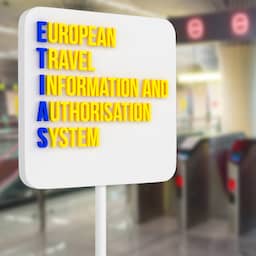
Authorities warn that over 150 fraudulent websites are currently offering fake ETIAS travel authorizations, despite the official system not yet being active. Travelers are advised that when the program launches in 2027, they should only use the designated official European Union website to avoid financial scams and data theft.

The European border agency Frontex has issued a warning regarding fraudulent websites claiming to offer ETIAS travel authorizations. Although the system is not yet active and no applications can be submitted through official channels, more than 150 fake websites are already operating. These sites mimic official branding to deceive travelers, posing significant risks of financial loss and identity theft. Authorities emphasize that once the system launches, travelers must use the only official portal at travel-europe.europa.eu.

ETIAS is a new travel authorization system expected to launch in early 2027 for visitors from outside the EU who do not currently require a visa. When implemented, travelers must obtain this digital permit before entering the Schengen area. This new requirement follows the April 2026 introduction of the EES system, which records passport information, facial imagery, and fingerprints at European borders for short-term stays. Officials urge the public to remain vigilant against unauthorized services until the official system officially goes live.

Based on reporting by nu. Translated and condensed by LocalHeadlines.
Related articles

Electric cars are driving further into Europe, but watch out for hidden costs in France

Electric cars are driving further into Europe, but watch out for hidden costs in France

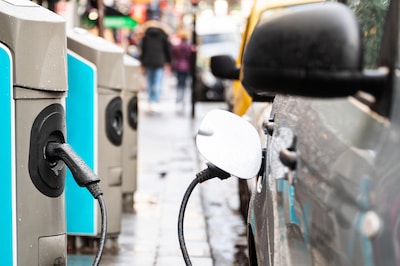
Dutch electric vehicle drivers are increasingly traveling further across Europe, but the ANWB warns that hidden costs like blocking fees remain a problem in countries such as France. Drivers are advised to check tariff details in charging apps to avoid significant unexpected charges for staying connected to a station after a battery is full.

Empty shelves, saunas in the coolers: our essential services are vulnerable to cyber incidents

Empty shelves, saunas in the coolers: our essential services are vulnerable to cyber incidents

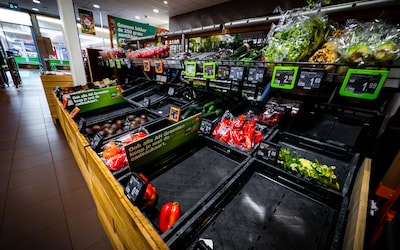
The grocery sector is increasingly facing cybersecurity threats, leading to incidents such as empty store shelves and malfunctioning cooling equipment. Experts warn that these vulnerabilities in essential services could cause further public instability if security measures are not improved.

Houses on Funda unrecognizable due to AI photos: 'Didn't feel like viewing'

Houses on Funda unrecognizable due to AI photos: 'Didn't feel like viewing'

Dutch real estate agents are increasingly using AI-generated photos on Funda to showcase renovation possibilities, though some listings have faced criticism for misleadingly altering property features. Funda has implemented strict rules requiring AI labels and prohibiting deceptive representations, while experts urge buyers to verify all images against official floor plans.

Meta has no plans to pull controversial smart glasses from the market

Meta has no plans to pull controversial smart glasses from the market

Meta refuses to withdraw its smart glasses from the market despite intense criticism from Dutch privacy organizations regarding the potential for covert filming. In response, these groups are initiating legal proceedings against the company, even as Meta insists that its built-in safety features and local storage policies are sufficient.

EU selects 46 raw materials projects to reduce dependence on China

EU selects 46 raw materials projects to reduce dependence on China

The European Commission has launched 46 projects across sixteen countries to reduce reliance on China for vital raw materials like lithium and copper. These initiatives, supported by prioritized permits and funding assistance, aim to significantly boost domestic processing and recycling capacity by 2030.