ad

Insured patients could get treated much faster, but often don't realize it yet
Insured patients could get treated much faster, but often don't realize it yet

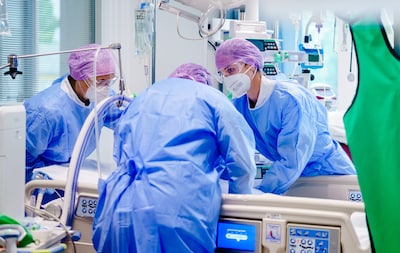
Patients are failing to utilize new proactive waiting list mediation services that could help them receive medical care faster. Despite significant wait times in specialties like neurology and urology, few patients authorize insurers to help them find quicker appointments elsewhere.

Many patients in the Netherlands are not taking advantage of new proactive waiting list mediation services provided by health insurers. Currently, only about 6 percent of patients authorize insurers to assist them in finding faster care when hospital wait times exceed national standards. This initiative was designed to replace the old system where only assertive patients successfully advocated for shorter wait times, but a lack of awareness among both patients and general practitioners is hindering its effectiveness.

Wait times for certain medical specialties, such as neurology and urology, can now stretch up to a year in some regions, despite national standards suggesting four to seven weeks. While hospitals face various challenges including staffing shortages, regional differences in efficiency, and an aging population, insurers can help by matching patients with providers in less crowded areas. Although some patients may need to travel further, health organizations emphasize that increased awareness of these mediation options is essential to ensure more equitable and timely access to medical care.

Based on reporting by ad. Translated and condensed by LocalHeadlines.
Related articles

Support for chemsex issues collapses after closure of Stichting Mainline

Support for chemsex issues collapses after closure of Stichting Mainline

The closure of Stichting Mainline has severely limited accessible support services for individuals in Amsterdam facing problems related to chemsex. Healthcare providers are now sounding the alarm, warning that the loss of this specialized care leaves a vulnerable group without adequate prevention and assistance.

Man rushed to hospital after stabbing near Sloterdijk

Man rushed to hospital after stabbing near Sloterdijk

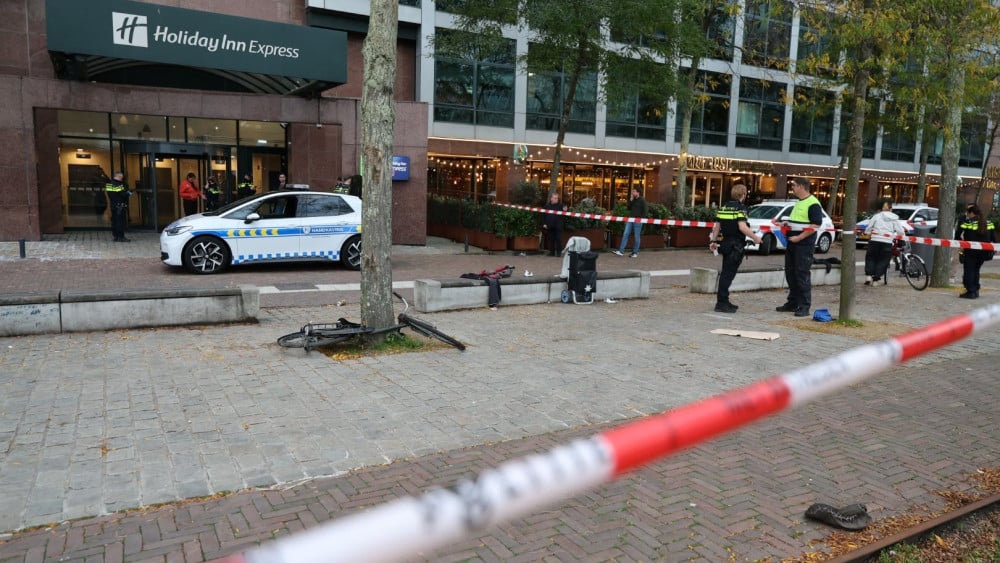
A man was rushed to the hospital after being stabbed during a fight outside a hotel near Sloterdijk station in Amsterdam. Police have arrested one suspect and are now calling for witnesses to come forward with information or video footage regarding the afternoon incident.

Painful, black toenails after running: this is 'runner's toe' and how you can prevent it

Painful, black toenails after running: this is 'runner's toe' and how you can prevent it

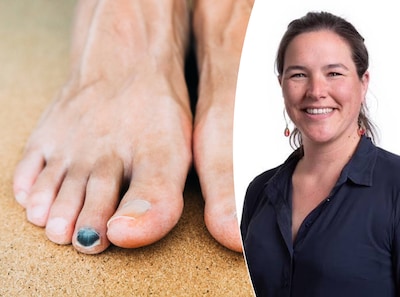
Runners toe, or a subungual hematoma, is a frequent injury caused by repetitive impact or direct pressure on the toes, often affecting endurance athletes. While usually harmless, the condition results in painful bruising under the nail that can take months to fully resolve as the nail grows out.

Aid worker Tim has been volunteering at Amsterdam Marathon for nearly nine years

Aid worker Tim has been volunteering at Amsterdam Marathon for nearly nine years

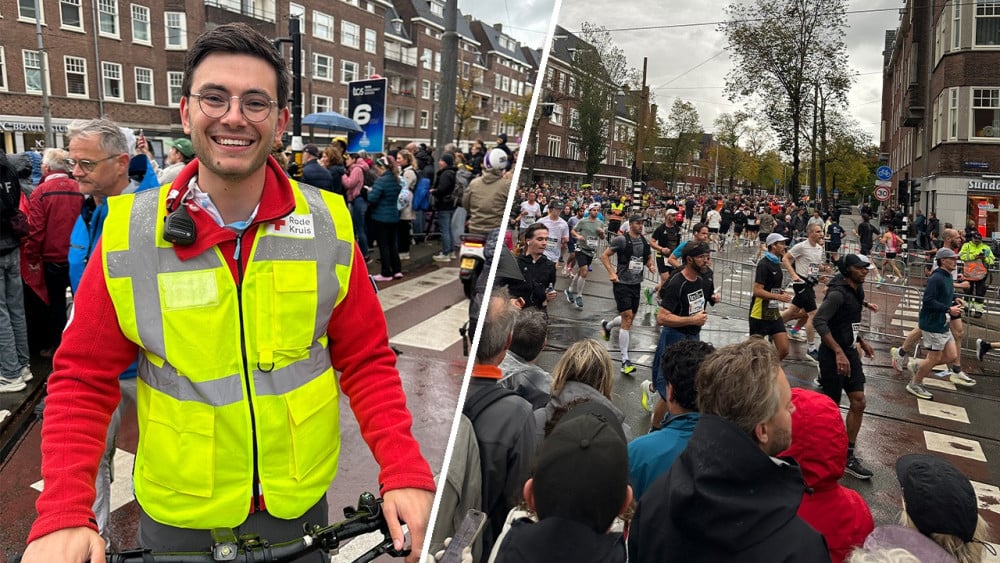
Tim Zandbergen has volunteered as a first aid responder for the Amsterdam Marathon for nearly nine years, using his bicycle to provide rapid medical assistance. He carries essential equipment like an AED to help participants and spectators during emergencies, including life-threatening situations.

How to recover after a marathon: Five tips from a physiotherapist

How to recover after a marathon: Five tips from a physiotherapist

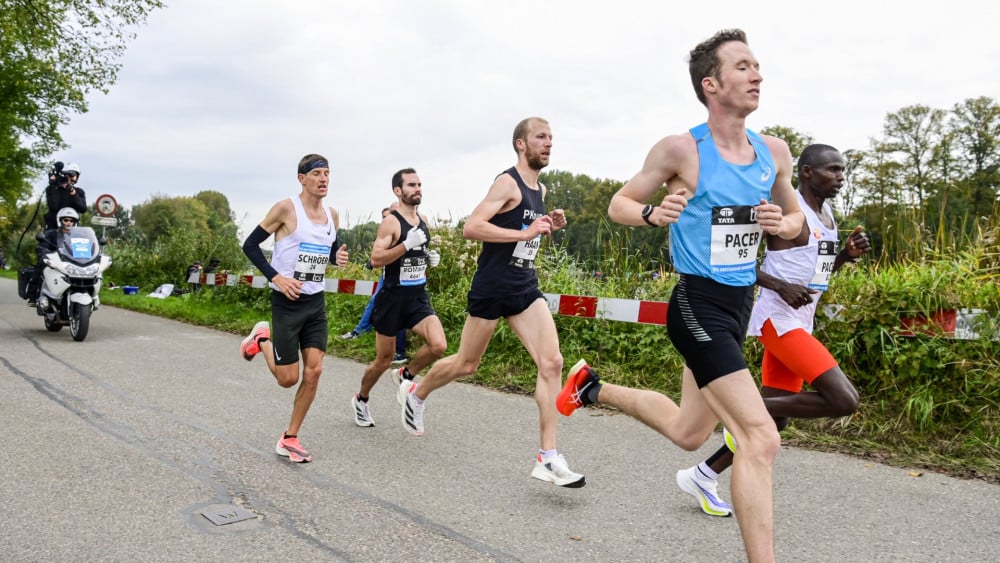
Physical therapist Milou Schooneman offers recovery tips for participants of the Amsterdam Marathon, emphasizing the need for gentle movement, proper nutrition, and hydration. She advises runners to gradually rebuild their training intensity over the week following the race and to seek medical advice if muscle pain persists.