Research using VR headsets on how cycling routes are experienced: "We want women to feel safe"
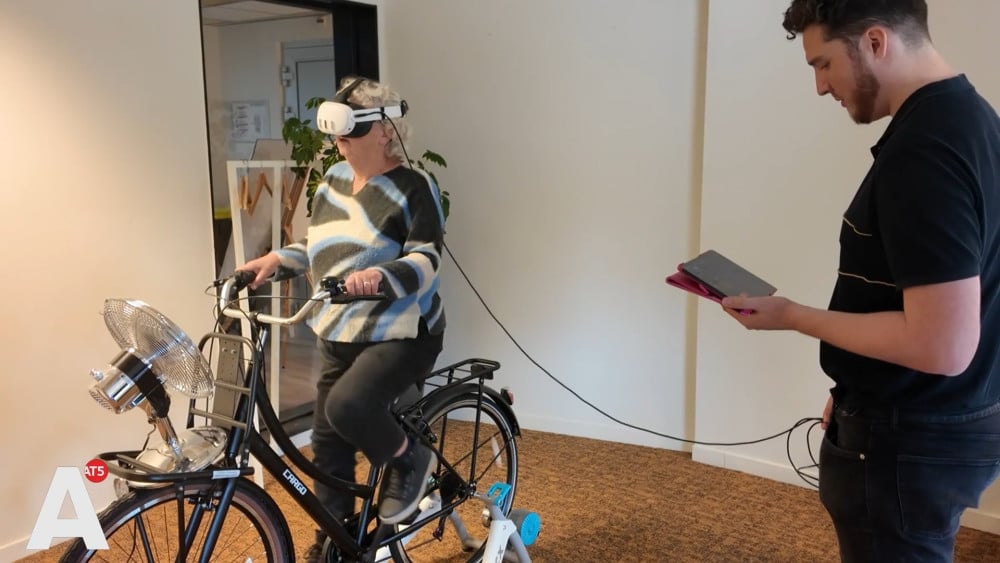
The municipality of Amsterdam is using VR headsets to study the perceived safety of bicycle paths in Amsterdam-Zuidoost. By analyzing brain waves and participant feedback, researchers aim to implement smarter design improvements that go beyond simply adding more street lighting.
The Amsterdam municipality is currently investigating ways to enhance safety along bicycle paths in Amsterdam-Zuidoost using virtual reality technology. Participants are equipped with VR headsets to traverse digital recreations of local routes, allowing researchers to monitor their brain waves and gather data on perceived safety. This innovative method enables the city to simulate various lighting and environmental conditions without needing to conduct physical tests at night, making the process significantly more efficient.
This project, conducted in partnership with Olifantenpad CS, aims to identify specific areas that feel unsafe, such as viaducts or poorly lit sections, with a particular focus on improving the experience for women. Experts involved in the study emphasize that the goal goes beyond merely adding more street lighting, as excessive light can sometimes reduce visibility and clarity. By combining neurofeedback with participant feedback, the city hopes to develop smarter urban planning strategies to improve social security. Interested volunteers can register to participate in the study, which concludes on October 29.
Based on reporting by rss. Translated and condensed by LocalHeadlines.