nu

The Greenhouse | Across Europe with an electric van: let's see if that works

The Greenhouse | Across Europe with an electric van: let's see if that works

A team of Dutch journalists is traveling by electric van from the Netherlands to a UN climate summit in Turkey to document the European climate transition. The trip aims to explore the challenges of charging infrastructure in Eastern Europe while investigating how different countries are adapting to climate change.

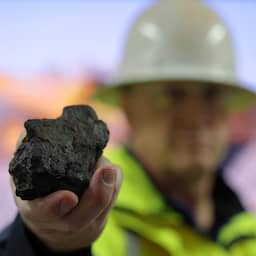
A journalist and a team from several Dutch media outlets are embarking on a journey from the Netherlands to a UN climate summit in Antalya, Turkey, using an electric van. They chose this route to reduce their personal carbon footprint and to document how different European countries are experiencing climate change and managing the transition to electric mobility. The journey, which spans eight countries, serves as an investigation into how various nations address the climate crisis, from hydropower projects in the Balkans to coal mining transitions in Bulgaria.

While the Netherlands leads Europe in public charging infrastructure, the team faces significant logistical challenges in Eastern Europe, where fast-charging stations are less common. Preparations have involved extensive research into charging apps and hotel infrastructure to ensure the trip is feasible. Beyond the logistics of electric travel, the group aims to report on regional dilemmas, such as the impact of climate policy on wild rivers and local ecosystems, providing a broader perspective on the global climate transition.

Based on reporting by nu. Translated and condensed by LocalHeadlines.
Related articles

Long wait times at Schiphol due to electronic passport control failure

Long wait times at Schiphol due to electronic passport control failure

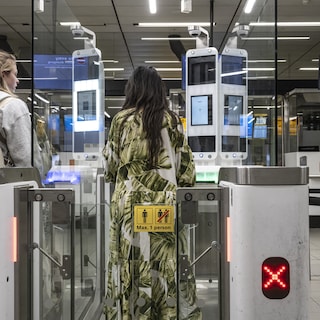
Schiphol Airport is facing significant passenger delays after a technical failure incapacitated its automated eGate passport control system on Sunday morning. Royal Netherlands Marechaussee officers are currently conducting manual checks as they investigate the cause of the malfunction, which is not believed to be a cyberattack.

Netherlands heavily dependent on China for raw materials in chips and cars

Netherlands heavily dependent on China for raw materials in chips and cars

The Netherlands relies heavily on China for critical raw materials like gallium and graphite, which are vital for the production of chips and electric vehicle components. Experts warn that this dependency, combined with rising geopolitical tensions, threatens the Dutch economy and consumer product availability as alternative supply chains remain difficult to establish.

Dutch people concerned about rapid rise of AI: It is in the hands of the MAGA clique

Dutch people concerned about rapid rise of AI: It is in the hands of the MAGA clique

A representative study reveals that most Dutch citizens fear artificial intelligence is being adopted too rapidly, citing concerns over privacy, misinformation, job security, and environmental impact. While many people use AI for daily tasks, there is strong public support for maintaining human oversight in fields like medicine, law, and defense.

Disappointment over Airbnb 'dishwashing ban': 'Not much of the romance left'

Disappointment over Airbnb 'dishwashing ban': 'Not much of the romance left'

Airbnb is ending the practice of allowing hosts to impose specific cleaning tasks, such as washing dishes or stripping beds, on their guests before checkout. Experts suggest this move aims to make the platform more mainstream, though some question if the change will truly benefit the user experience.

An emergency neighborhood supermarket that always has toilet paper, rice and crispbread in stock: it’s happening in Denmark

An emergency neighborhood supermarket that always has toilet paper, rice and crispbread in stock: it’s happening in Denmark

Denmark is preparing to launch 51 emergency supermarkets equipped to function during power outages and cyberattacks, providing essential supplies even without grid connectivity. The Netherlands is currently exploring similar strategies as part of a national food security plan, though no concrete implementation has been finalized.