Saudi pipeline bypassing Strait of Hormuz to be expanded
Saudi Arabia is expanding its East-West oil pipeline capacity from seven to ten million barrels per day to reduce reliance on vulnerable shipping routes like the Strait of Hormuz. Saudi Aramco CEO Amin Nasser cited ongoing security concerns and over 130 tanker attacks as primary drivers for the infrastructure upgrades and new export initiatives.
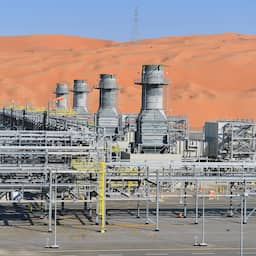
Saudi Arabia is expanding its East-West pipeline to increase daily oil transportation capacity from seven million to ten million barrels. While the project timeline remains unspecified, CEO Amin Nasser of Saudi Aramco announced that the company is actively developing additional export routes to reduce dependence on volatile shipping chokepoints. This strategic shift aims to mitigate risks associated with regional instability that threatens oil logistics.
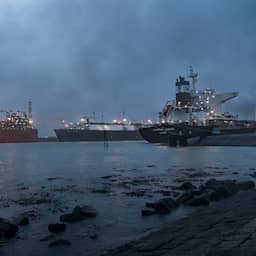
The current export landscape relies heavily on the Strait of Hormuz, the Bab el-Mandeb Strait, and the Suez Canal. These maritime routes have become increasingly perilous for oil tankers, particularly as Nasser reports over 130 attacks on vessels since the onset of the conflict in February. By bypassing these vulnerable areas, Saudi Arabia seeks to secure more reliable export channels. Aramco maintains high profitability, reporting a one-third increase in earnings for the third quarter compared to the previous year, while keeping specific details of the new route developments confidential.
Based on reporting by nu. Translated and condensed by LocalHeadlines.