nu

Farming families have suffered greatly from an unreliable government for a decade
Farming families have suffered greatly from an unreliable government for a decade

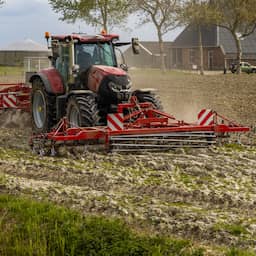
National Ombudsman Reinier van Zutphen reports that Dutch farming families have endured a decade of stress and uncertainty due to inconsistent and unreliable government agricultural policies. Frequent rule changes and unkept promises have undermined business stability and caused significant personal strain, leading the ombudsman to call for clearer and more empathetic governance.

National Ombudsman Reinier van Zutphen has concluded that farming families in the Netherlands have suffered significantly due to unreliable government policy over the past decade. Frequent changes in regulations concerning nitrogen, animal welfare, and water quality have created a climate of uncertainty, causing stress and financial instability for many agricultural businesses. The ombudsman highlights that contradictory rules and unfulfilled government promises, such as the cancellation of the National Rural Area Program, have made it impossible for farmers to make long-term investment decisions. These issues have deeply impacted family life, often leading to feelings of powerlessness and distrust toward authorities. Van Zutphen emphasizes that although changes in the agricultural sector are necessary due to European regulations and judicial rulings, the government must provide clear, honest, and actionable policies. He urges officials to look at the individual circumstances of each farm rather than relying solely on high-level discussions with organizations, as the cumulative damage of the past years cannot be easily undone by a new policy direction.

Based on reporting by nu. Translated and condensed by LocalHeadlines.

Related articles

Cabinet has covered less than a fifth of lost Box 3 revenue, Finance Ministry calculates

Cabinet has covered less than a fifth of lost Box 3 revenue, Finance Ministry calculates

The Dutch government has failed to secure funding for over 80 percent of the projected revenue loss resulting from upcoming changes to the box 3 tax system. With an uncovered deficit of 17.6 billion euros through 2040, the cabinet faces significant criticism regarding the feasibility and financial planning of its proposal.

Lost in box 3? We explain it to you

Lost in box 3? We explain it to you

The Dutch cabinet is planning to transition to a capital gains tax system for box 3 assets by 2029, replacing the current fictitious return model. This change is expected to cost the state billions, leading officials to seek compensatory tax adjustments and tighter rules for business owners to fill the resulting budgetary gap.

Frustration over tax plan seeps into coalition: 'No casino politics'

Frustration over tax plan seeps into coalition: 'No casino politics'

The Dutch government has submitted a new tax plan to Parliament, but it faces significant opposition and internal criticism regarding its lack of a broad consensus. While several smaller parties have signaled potential support, the government remains at risk of instability as it struggles to secure a firm majority.

Parliament wants to push through cheaper public transport subscriptions: cabinet must draft plan

Parliament wants to push through cheaper public transport subscriptions: cabinet must draft plan

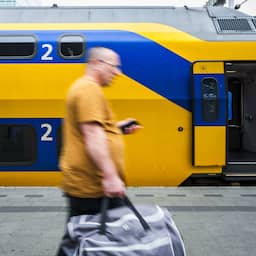
The Dutch parliament has voted in favor of developing a permanent, affordable public transport subscription following a successful summer pilot that saw 400,000 train passengers use a discounted monthly pass. The cabinet is now tasked with exploring how to extend this initiative to include buses, trams, and metros, though officials warn that funding and logistical negotiations with transport operators pose significant challenges.

Oldest Haarlem timber merchant threatened with closure due to zero-emission zone

Oldest Haarlem timber merchant threatened with closure due to zero-emission zone

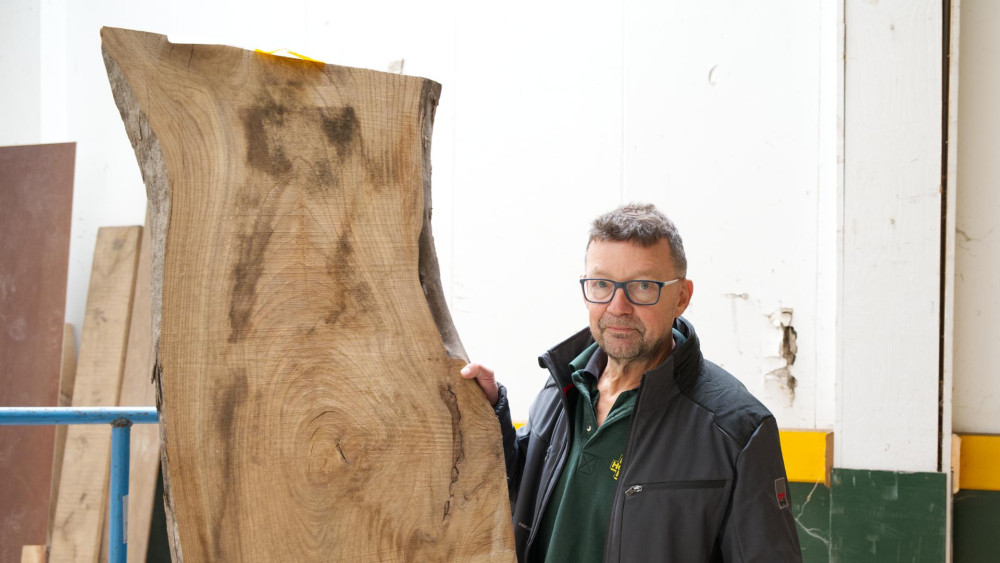
Bremer's Houthandel, a historic business in Haarlem, faces closure because the city's new emission-free zone will restrict the large diesel trucks needed for timber deliveries by 2028. The owner is currently in a court-ordered mediation process with the municipality to seek a solution or potential relocation assistance.