nu

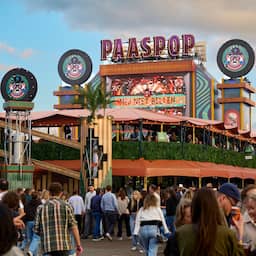
Three Brabant festivals must pay entertainment tax per visitor
Three Brabant festivals must pay entertainment tax per visitor

The municipality of Meierijstad in the Netherlands is implementing an entertainment tax of 1.50 euros per visitor for three large festivals to offset costs related to infrastructure and public amenities. Although initial proposals suggested a higher fee, the final plan was reduced following discussions with organizers, with implementation delayed until 2028.

The municipality of Meierijstad in the Netherlands has introduced an entertainment tax for large-scale events that significantly impact local infrastructure and facilities. Three major festivals categorized as high-impact events will be subject to a levy of 1.50 euros per paying visitor, a reduction from the initially proposed 3 euros. The policy aims to generate approximately 300,000 euros annually from the estimated 200,000 total visitors attending these events, which include popular gatherings in locations like Schijndel and Erp.

While festival organizers like Paaspop director Peter Sanders have voiced concerns that the tax could discourage cultural activities and drive events away from the municipality, they have expressed satisfaction with the negotiated compromise. To accommodate existing ticket sales cycles, the new regulation is scheduled to take effect on January 1, 2028. This measure is intended to compensate the local government for the municipal resources and traffic management required to host such significant gatherings.

Based on reporting by nu. Translated and condensed by LocalHeadlines.
Related articles

ANWB takes legal action over roadside assistance strike, 'motorists must not be left helpless on the side of the road'

ANWB takes legal action over roadside assistance strike, 'motorists must not be left helpless on the side of the road'

The ANWB has initiated legal proceedings to prevent a twelve-hour strike by labor unions scheduled for Monday, citing concerns for motorist safety. The organization is requesting that the unions ensure a minimum level of roadside assistance and emergency coverage remains available during the industrial action.

The fourth generation of the family now works at Febo: they also don't want frozen food or a reality show

The fourth generation of the family now works at Febo: they also don't want frozen food or a reality show

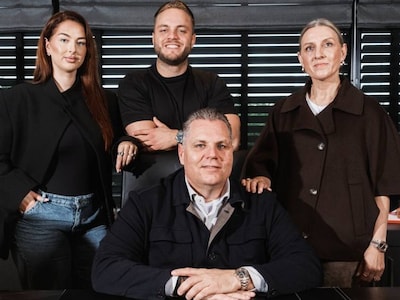
The fourth generation of the founding family has joined the Dutch snack chain Febo, emphasizing their commitment to serving fresh rather than frozen products. Siblings Steff and Femke de Borst are carrying on the legacy started by their great-grandfather in 1941.

From near-death to national icon: how Hema fought its way back with smoked sausage, tompouce and pragmatism

From near-death to national icon: how Hema fought its way back with smoked sausage, tompouce and pragmatism

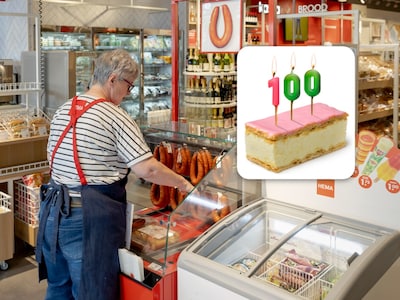
The Dutch retail chain Hema is celebrating its 100th anniversary today. After appearing to be near bankruptcy just a few years ago, the company has successfully revitalized its brand identity.

How the North Sea Canal pulled the city out of a slump: "Otherwise it would all have gone to Rotterdam"

How the North Sea Canal pulled the city out of a slump: "Otherwise it would all have gone to Rotterdam"

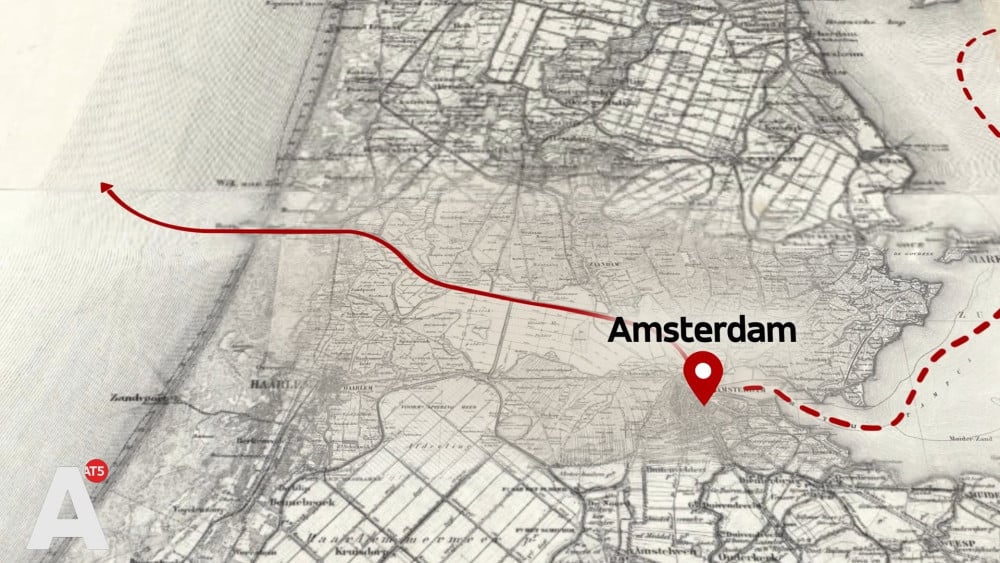
The North Sea Canal, which opened 150 years ago, saved Amsterdam from a major economic decline by providing essential maritime access. The project revitalized the city's struggling port and transformed it into a modern industrial hub, preventing it from losing its economic relevance to other cities like Rotterdam.

Peek & Cloppenburg to leave Dam square for good: store closing at the end of February

Peek & Cloppenburg to leave Dam square for good: store closing at the end of February

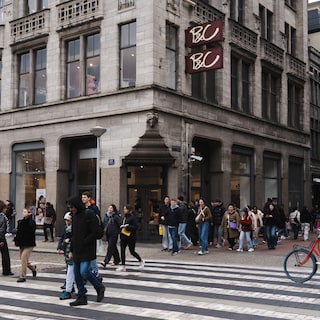
Peek & Cloppenburg will permanently close its store on the Dam in Amsterdam at the end of February due to upcoming renovations at the historic site. This move marks a continued decline of the brand's presence in the Netherlands, leaving only three locations remaining nationwide.