nu

Roadside assistance on strike Monday: those not in immediate danger must be patient
Roadside assistance on strike Monday: those not in immediate danger must be patient

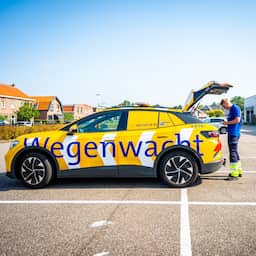
ANWB employees are holding a twelve-hour strike after collective bargaining negotiations over wages and working conditions failed. A court has ruled the strike legal but ordered a minimum service level to ensure that emergency roadside assistance remains available for dangerous traffic situations.

Labor unions FNV and CNV have organized a twelve-hour strike involving over 600 ANWB employees, marking the first such action in the organization's 140-year history. The dispute stems from failed collective bargaining agreements, with the unions demanding better wage increases, a shorter work week, and improved work-life balance measures. The ANWB had sought to block the strike through a court injunction, citing concerns over road safety, but the judge ruled that the strike may proceed. To address public safety concerns, the court mandated that a minimum of 12.5 percent of the roadside assistance service remains operational to handle emergency situations, such as vehicles stranded in dangerous locations like tunnels or highway shoulders. The alarm center will maintain 85 percent capacity, and unions are required to call upon striking members to return to work during severe accidents. While the ANWB argues its wage offer of 7.5 percent over two years is the maximum sustainable limit, unions insist these terms fail to address critical staffing and scheduling issues.

Based on reporting by nu. Translated and condensed by LocalHeadlines.
Related articles

A day on the slopes in Austria: 254 euros per day for Dutch visitors

A day on the slopes in Austria: 254 euros per day for Dutch visitors

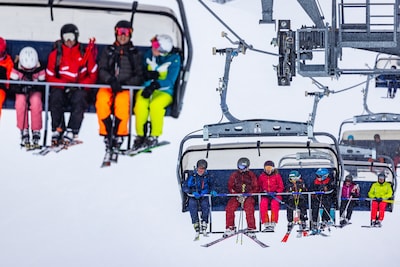
Dutch tourists are spending a record 254 euros per day on their Austrian ski holidays, totaling an expected 1.7 billion euros in seasonal expenditures. Despite significant price hikes, over 1.3 million Dutch visitors are expected to travel to Austria, with many opting for shorter stays or last-minute bookings to manage costs.

Roads are getting busier and traffic jams are increasing: 'Travel time is becoming unpredictable'

Roads are getting busier and traffic jams are increasing: 'Travel time is becoming unpredictable'

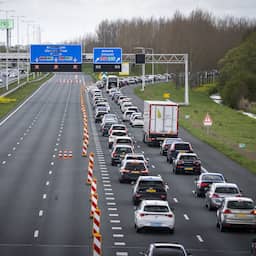
Dutch road infrastructure is under significant pressure due to essential maintenance, leading to warnings of increased congestion and unpredictable travel times. Experts suggest that to cope with the limited capacity and cancelled expansion projects, a combination of behavioral changes like remote work and potential new traffic pricing models will be necessary.

Survivor's pension is becoming more favorable, but you must take action

Survivor's pension is becoming more favorable, but you must take action

Recent changes to the Dutch pension system, introduced by the Future of Pensions Act, have made survivor pensions more consistent by tying them to current salary rather than years of service. While coverage is improved for most, employees must take active steps to register partners and ensure continued coverage during job transitions to avoid potential gaps in financial protection.

Port of Amsterdam applies for permits for eight wind turbines

Port of Amsterdam applies for permits for eight wind turbines

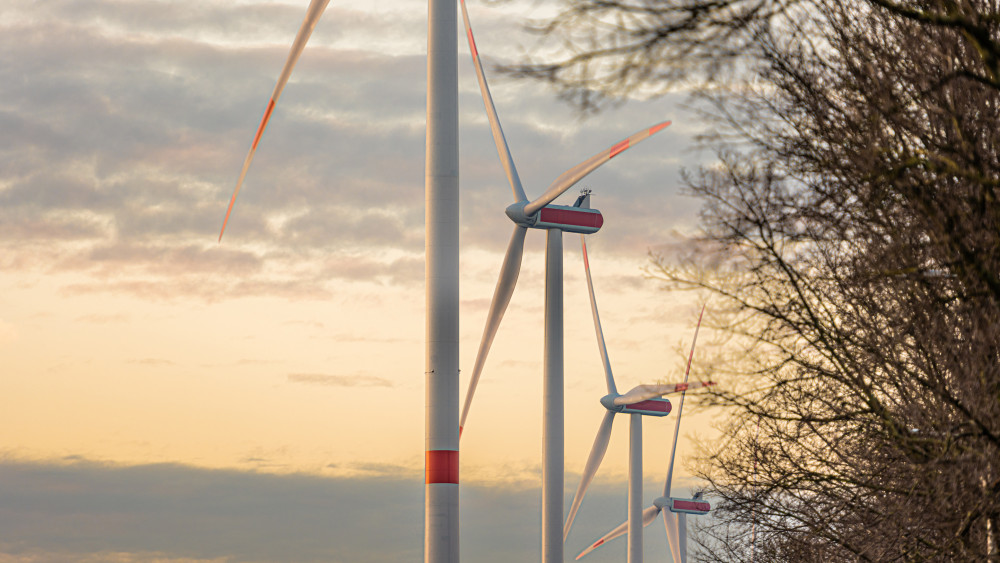
The Port of Amsterdam has applied for permits to install eight 200-meter-tall wind turbines in the Western Port area to increase regional renewable energy production. The Province of North Holland will now review the applications, though approval is not guaranteed given recent regional political conflicts over wind energy projects.

Dutch petrol prices continue to fall, approaching 2.45 euros

Dutch petrol prices continue to fall, approaching 2.45 euros

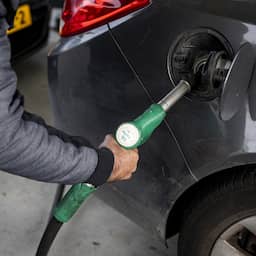
Petrol prices in the Netherlands have continued their downward trend, with the recommended price for Euro95 reaching approximately 2.45 euros per liter. This decrease follows a record high observed in early October, while diesel prices have also seen a modest decline.