More consumption rooms, extra shelters and tougher measures: this is how the city council wants to tackle drug nuisance
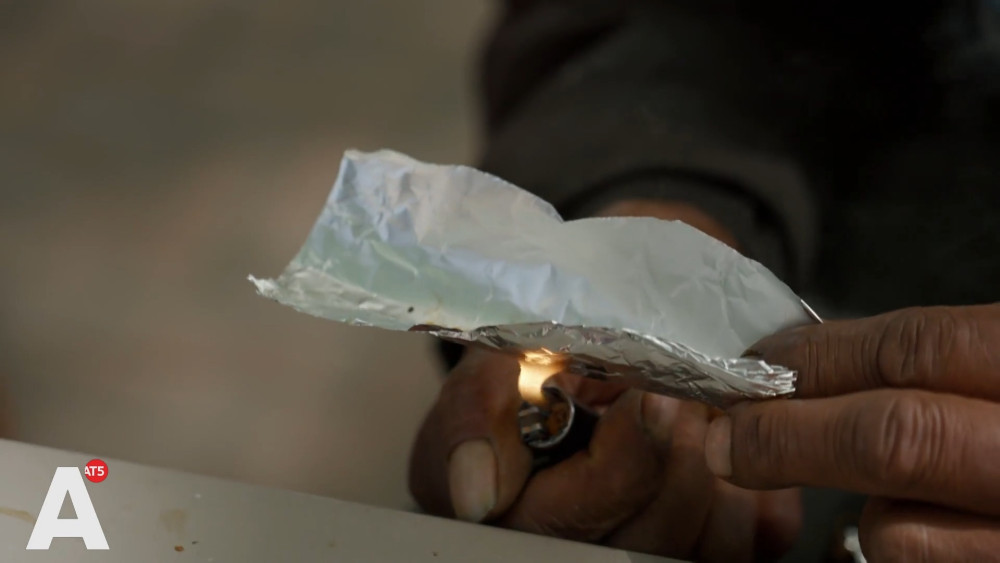
Amsterdam's city government is launching a six-million-euro initiative to address rising drug-related public nuisance by increasing supervised consumption spaces and expanding homeless shelter capacity. The strategy also includes a stricter enforcement policy for repeat offenders and a potential repatriation program for certain EU-based addicts.
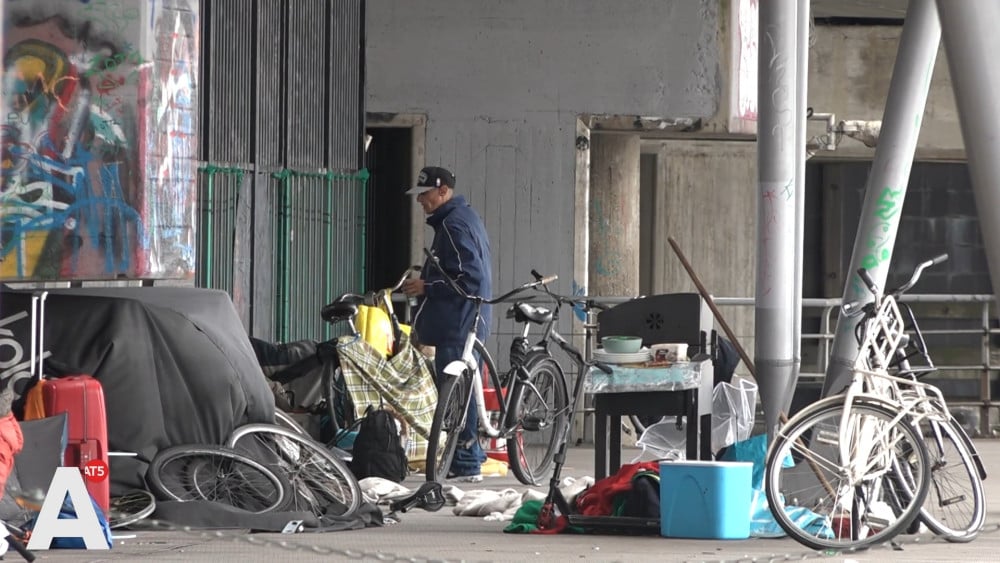
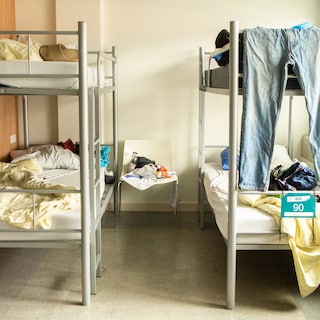
The Amsterdam city government has unveiled a six-million-euro strategy to combat rising drug-related public nuisance. The plan prioritizes the establishment of additional supervised consumption spaces, particularly in the Oosterpark and H-buurt areas, where residents and entrepreneurs have faced significant living quality challenges. Officials are currently finalizing decisions on the exact placement of these facilities to address ongoing local friction. In addition to expanding harm reduction infrastructure, the city intends to take a stricter approach toward repeat offenders by strengthening cooperation between social services and local law enforcement agencies. The city also aims to address homelessness by providing hundreds of additional beds, including temporary winter shelters that may eventually become permanent. Furthermore, the municipality is exploring options to repatriate certain EU-based addicts to their home countries for specialized care if local support is deemed insufficient. A formal review of the effectiveness of these measures is scheduled to take place in March 2027.
Based on reporting by rss. Translated and condensed by LocalHeadlines.