nu

Amateur athletes' data stolen in AllUnited data breach

Amateur athletes' data stolen in AllUnited data breach

A software vulnerability at AllUnited led to a massive data breach affecting 35 sports federations, including the Royal Dutch Cricket Association. Attackers stole personal details of amateur athletes, such as names, addresses, contact information, and bank account numbers, prompting clubs to warn their members about potential misuse.

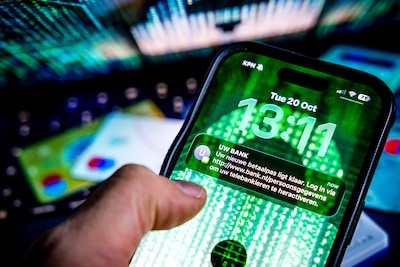
A significant data breach at the software provider AllUnited has compromised the personal information of numerous amateur athletes. The incident occurred on Monday evening when an unauthorized attacker exploited a software vulnerability to copy the contents of the company's entire database. The breach was discovered and addressed by Tuesday, but not before sensitive information belonging to members of 35 different sports federations, including the Royal Dutch Cricket Association, was accessed.

The stolen data potentially includes full names, residential addresses, dates and places of birth, email addresses, and telephone numbers. Furthermore, cybercriminals may have obtained IBAN bank account details and login credentials for users with active AllUnited accounts. Sports clubs are currently notifying their members about the incident, warning them that the leaked information could be misused by malicious actors for fraud or identity theft. Authorities are investigating the breach while affected organizations work to secure their systems and inform those impacted by the security failure.

Based on reporting by nu. Translated and condensed by LocalHeadlines.
Related articles

Concerns over tens of thousands of emergency buttons for the elderly: 'A matter of life and death'

Concerns over tens of thousands of emergency buttons for the elderly: 'A matter of life and death'

The upcoming shutdown of 2G mobile networks in the Netherlands by December 2027 threatens the reliability of tens of thousands of emergency alarm systems used by the elderly. Experts and advocacy groups are raising concerns about life-threatening communication failures and are urging retailers to stop selling devices that rely on this outdated technology.

Dozens of influencers and (former) top athletes mislead followers about supplements

Dozens of influencers and (former) top athletes mislead followers about supplements

The Netherlands Food and Consumer Product Safety Authority investigated 38 social media accounts and found that 28 influencers and athletes made illegal, unsubstantiated health and medical claims about dietary supplements. The regulatory body has issued fines and warnings, forcing the individuals involved to remove or correct their misleading promotional content.

Xander de Buisonjé aims to make music sound studio-quality with these 579-euro earbuds

Xander de Buisonjé aims to make music sound studio-quality with these 579-euro earbuds

Singer Xander de Buisonjé has launched a new pair of high-end earphones priced at 579 euros, aiming to offer studio-quality sound after a previous business failure. The artist is focused on achieving financial stability with this new venture rather than immediate profitability.

AFM concerned about increasing cyber threats: ‘It is not a matter of if, but when and how’

AFM concerned about increasing cyber threats: ‘It is not a matter of if, but when and how’

The Dutch Authority for the Financial Markets (AFM) has identified cyberattacks as a major systemic risk to the financial sector, urging a collaborative approach to preparedness. Additionally, the regulator raised concerns over the persistent risks associated with cryptocurrency investments and the potential for financial fraud during an upcoming wave of inheritance transfers.

Life discovered on Rembrandt's The Night Watch: Japanese bacterium from 2013

Life discovered on Rembrandt's The Night Watch: Japanese bacterium from 2013

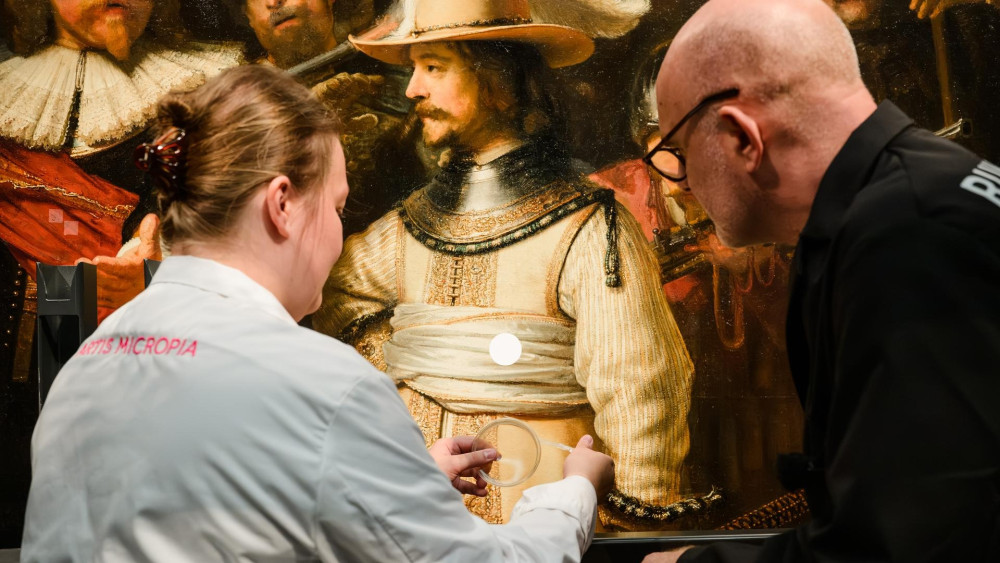
Microbiologists from Micropia and the Rijksmuseum have identified various bacteria living on Rembrandt's The Night Watch, including a strain previously discovered at a Japanese refinery. These findings, which showcase the unexpected intersection of art and microbiology, are currently on public display at Micropia in Amsterdam.