rss

These are the candidates to become the city's new night mayor

These are the candidates to become the city's new night mayor

Amsterdam is set to hold elections for a new night mayor in late November as current officeholder Freek Wallagh steps down. The candidates include music journalist Fien Bulsing, who focuses on fostering club collaboration, and the brother duo Taj and Diès Kroon, who aim to improve ties with the city government and introduce a night metro service.

The city of Amsterdam is preparing to elect a new nachtburgemeester, or night mayor, following the announcement that current officeholder Freek Wallagh will step down after three and a half years. The upcoming election features two competing parties vying for the role, which serves as a crucial liaison between local nightlife stakeholders, the municipal government, and the wider public. This independent position is designed to advocate for the interests of the nightlife sector while providing guidance to city officials on relevant policy matters.

The candidates include music journalist Fien Bulsing, who advocates for increased collaboration and resource sharing among nightlife venues to foster a more unified creative ecosystem. Alternatively, cultural entrepreneurs Taj and Diès Kroon are running as a duo, proposing a division of labor where Taj focuses on engaging directly with the nightlife community to identify needs, while Diès manages policy and administrative discussions. A primary objective for the brothers is to successfully implement a pilot program for a night metro service by 2027.

Based on reporting by rss. Translated and condensed by LocalHeadlines.
Related articles

Documentary filmmaker followed Halsema for a year: "Eloquent, impatient, and sometimes lonely"

Documentary filmmaker followed Halsema for a year: "Eloquent, impatient, and sometimes lonely"

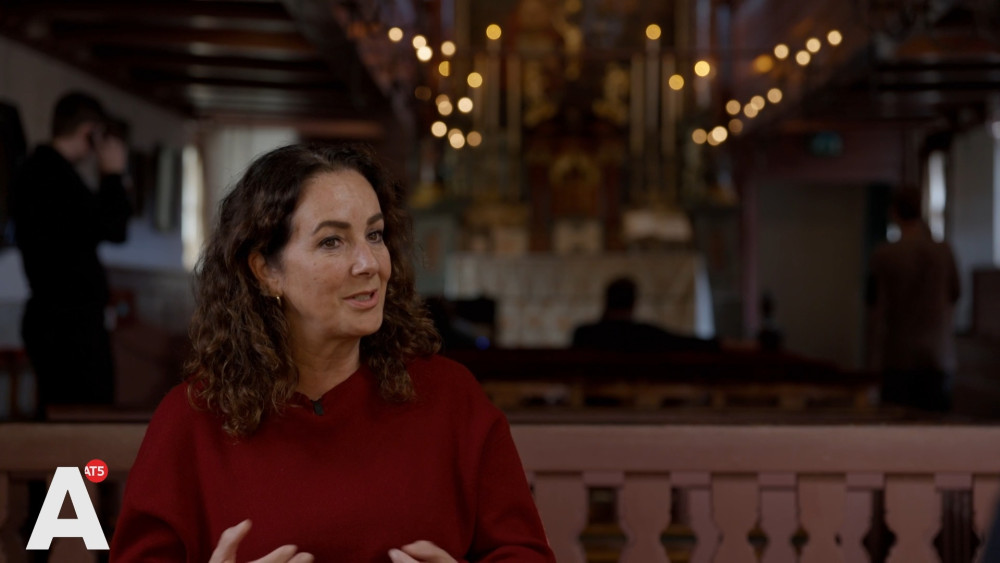
Documentary filmmaker Mijke de Jong spent a year following Amsterdam mayor Femke Halsema for the film 'De Burgemeester,' which premieres at IDFA. The documentary captures Halsema's high-pressure work environment during a turbulent 2025, revealing her as an eloquent yet sometimes lonely and impatient leader.

Half a million in subsidies to look back on the Olympic Games of a century ago

Half a million in subsidies to look back on the Olympic Games of a century ago

Amsterdam is providing a 550,000 euro subsidy to the Stichting 100 jaar Spelen foundation to celebrate the centennial of the 1928 Olympic Games. Planned activities for 2028 will highlight the event's historical significance, including the first participation of women in athletics and the introduction of local parking signs.

Letter from entrepreneurs to municipality on tourist tax hike: "Many negative consequences"

Letter from entrepreneurs to municipality on tourist tax hike: "Many negative consequences"

Business leaders in Amsterdam are urging the city council to pause and reconsider a planned hike in tourist tax that could reach 20 percent by 2031. They warn that the combined effect of this tax and a national VAT increase will place a 41 percent burden on hotel stays, threatening the viability of the city's hospitality and events sectors.

More cultural funding to the regions? Halsema warns: "The labor market is in Amsterdam"

More cultural funding to the regions? Halsema warns: "The labor market is in Amsterdam"

Amsterdam Mayor Femke Halsema has warned the Dutch government against diverting cultural subsidies away from the capital, citing the risk of damaging the city's significant creative labor market. She also defended the autonomy of the arts sector, emphasizing that cultural institutions must remain free from political pressure and secure for all visitors.

Sleeping in doorways remains punishable to protect livability

Sleeping in doorways remains punishable to protect livability

Amsterdam has implemented a new policy framework clarifying that while sleeping in public is no longer automatically illegal, obstructing building entrances or causing nuisance remains punishable. The city aims to balance public accessibility with humanitarian aid by requiring officers to prioritize support services and carefully document any enforcement actions.