ad

Falling for the wrong person isn't bad luck but often reflects a pattern from your childhood
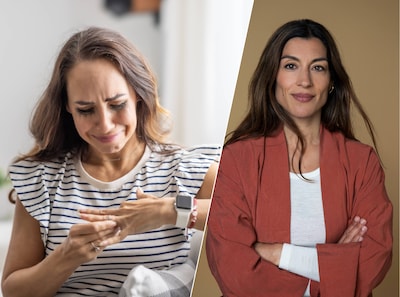
Falling for the wrong person isn't bad luck but often reflects a pattern from your childhood

Love coach Joey Steur explains that repeatedly falling for the "wrong" partner is often a result of behavioral patterns established during childhood rather than simple bad luck. These cycles are frequently linked to an individual's sense of self-worth and their underlying belief in whether they deserve to be loved. Understanding these developmental roots is key to breaking the repetitive cycle and finding healthier relationships.

Based on reporting by ad. Translated and condensed by LocalHeadlines.

Related articles

Selena Gomez quits vaping: My voice has been affected

Selena Gomez quits vaping: My voice has been affected

Selena Gomez has announced that she has quit vaping after noticing significant damage to her singing voice. The singer is now encouraging her fans to follow her lead, emphasizing that the negative health effects are not worth the habit.

What we didn't yet know about menopause: ‘Fecal incontinence is the ultimate, deeply hidden taboo’

What we didn't yet know about menopause: ‘Fecal incontinence is the ultimate, deeply hidden taboo’

Recent insights into menopause highlight that while societal stigmas are decreasing, certain issues like fecal incontinence remain deeply taboo. Experts are currently working to improve medical understanding of hormone therapies and aim to develop home testing kits for menopause within the next five years.

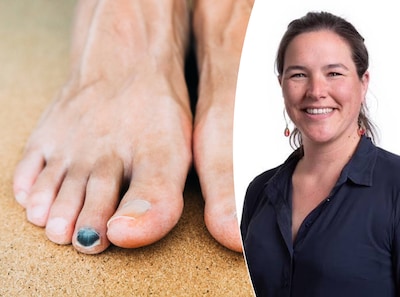
Painful, black toenails after running: this is 'runner's toe' and how you can prevent it

Painful, black toenails after running: this is 'runner's toe' and how you can prevent it

Runners toe, or a subungual hematoma, is a frequent injury caused by repetitive impact or direct pressure on the toes, often affecting endurance athletes. While usually harmless, the condition results in painful bruising under the nail that can take months to fully resolve as the nail grows out.

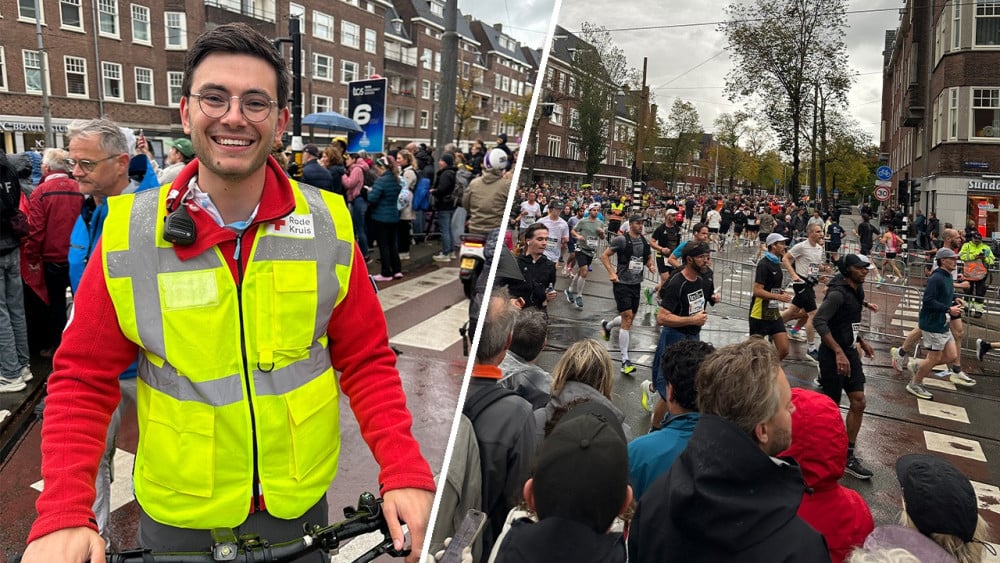
Aid worker Tim has been volunteering at Amsterdam Marathon for nearly nine years

Aid worker Tim has been volunteering at Amsterdam Marathon for nearly nine years

Tim Zandbergen has volunteered as a first aid responder for the Amsterdam Marathon for nearly nine years, using his bicycle to provide rapid medical assistance. He carries essential equipment like an AED to help participants and spectators during emergencies, including life-threatening situations.

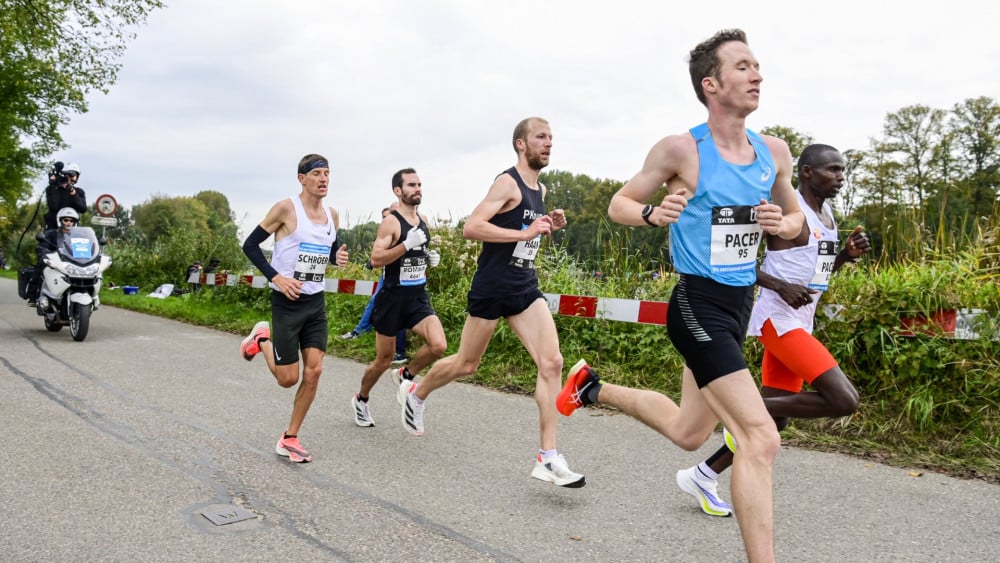
How to recover after a marathon: Five tips from a physiotherapist

How to recover after a marathon: Five tips from a physiotherapist

Physical therapist Milou Schooneman offers recovery tips for participants of the Amsterdam Marathon, emphasizing the need for gentle movement, proper nutrition, and hydration. She advises runners to gradually rebuild their training intensity over the week following the race and to seek medical advice if muscle pain persists.