nu

Payments to Syria easier now that country is off US terror list
Payments to Syria easier now that country is off US terror list

Syria's removal from the United States list of state sponsors of terrorism has facilitated the resumption of international card payments in the country. While the U.S. has lifted various sanctions to support reconstruction efforts, many Dutch banks continue to restrict financial transfers to Syria due to ongoing internal policies.

Financial transactions with Syria have become easier following the country's removal from the United States list of state sponsors of terrorism. On Wednesday, the first card payments were successfully processed in Damascus through the Lebanon-based Fransabank, an event attended by Syrian officials including the central bank governor. While the system is not yet operational nationwide, this shift marks a significant change in the international economic landscape for the country.

The United States had designated Syria as a terror-supporting nation since 1979, which triggered extensive economic and defense-related sanctions. Recently, President Donald Trump removed Syria from this list and lifted additional sanctions, citing a desire to facilitate the reconstruction of the nation. Despite these changes, major financial institutions in the Netherlands still restrict transfers to Syria, maintaining policies that group the country with other sanctioned nations like Iran and North Korea until further international regulations are formally adjusted.

Based on reporting by nu. Translated and condensed by LocalHeadlines.

Related articles

Banks must reimburse phishing victims within one working day, even if the customer made a serious mistake

Banks must reimburse phishing victims within one working day, even if the customer made a serious mistake

The European Court of Justice has ruled that banks must immediately reimburse victims of phishing attacks by the end of the next working day, even if the bank suspects the client of gross negligence. Banks may only withhold or recover these funds if they can provide clear evidence that the customer was personally involved in fraudulent activity.

Netherlands wants to save emergency oil reserves, but pressure to release more grows

Netherlands wants to save emergency oil reserves, but pressure to release more grows

The Netherlands is resisting international pressure to release additional strategic oil reserves, arguing that these should be used only for severe supply crises rather than managing global prices. While global diesel and kerosene supplies are tightening, officials and experts maintain there is no immediate fuel shortage in the Netherlands or Europe.

Empty shelves, saunas in the coolers: our essential services are vulnerable to cyber incidents

Empty shelves, saunas in the coolers: our essential services are vulnerable to cyber incidents

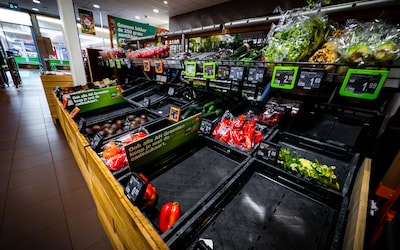
The grocery sector is increasingly facing cybersecurity threats, leading to incidents such as empty store shelves and malfunctioning cooling equipment. Experts warn that these vulnerabilities in essential services could cause further public instability if security measures are not improved.

IMF raises economic growth forecasts for the Netherlands and the world

IMF raises economic growth forecasts for the Netherlands and the world

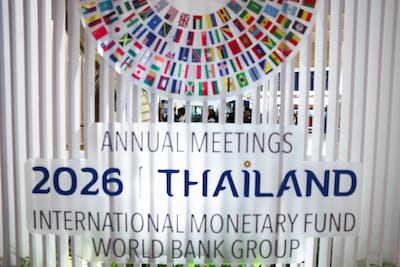
The International Monetary Fund has raised its economic growth forecast for the Netherlands to 1.5 percent for this year, citing improved conditions and a stronger recovery in Germany. Global economic growth is also trending upward at 3.1 percent, supported by investments in artificial intelligence and effective energy supply management despite ongoing geopolitical instability.

European aviation sector wants to adjust border controls after prolonged problems

European aviation sector wants to adjust border controls after prolonged problems

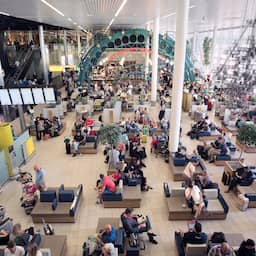
European aviation organizations are demanding reforms to the EES border system, including more automated gates and the ability to suspend biometric checks during peak congestion. The system, implemented in April, has frequently caused excessive wait times at airports, leading to missed flights and logistical disruptions across the continent.