nu

Maritime organization: About 400 ships still stuck in Persian Gulf
Maritime organization: About 400 ships still stuck in Persian Gulf

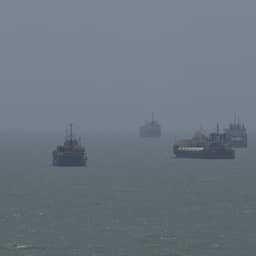
Around four hundred ships are currently stranded in the Persian Gulf following severe disruptions to maritime traffic near the Strait of Hormuz. International officials report that at least nineteen sailors have died in seventy attacks, causing significant global economic damage to the trade of oil and other raw materials.

Approximately four hundred ships remain stranded in the Persian Gulf as regional tensions continue to cripple maritime operations. Secretary-General Dominguez has expressed grave concern for the crews trapped in the region, noting that their mental well-being is deteriorating under extreme stress and psychological pressure. Since the outbreak of conflict in February, there have been at least seventy attacks on vessels in the Persian Gulf and the Strait of Hormuz, resulting in the deaths of nineteen crew members. The vital waterway, which previously handled twenty percent of the global crude oil supply, is now effectively blocked.

While the United States previously claimed the Strait of Hormuz remained open under its control, the Iranian Revolutionary Guard has dismissed these statements as false, alleging they were intended to manipulate oil markets. Iran maintains that it will deny passage to any vessel that does not coordinate with its authorities first. The ongoing blockade is causing significant disruption to the global trade of oil, fertilizers, and essential commodities, prompting calls for secure and unrestricted international transit.

Based on reporting by nu. Translated and condensed by LocalHeadlines.
Related articles

Global stock markets fall on AI concerns

Global stock markets fall on AI concerns

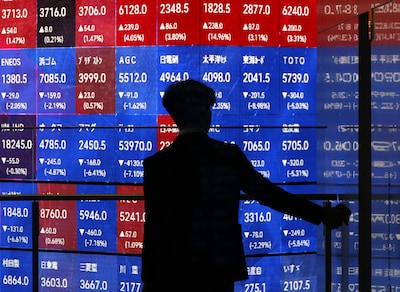
Global stock markets have experienced significant declines driven by growing investor anxiety over debt levels and potential demand slowdowns in the artificial intelligence sector. Major indices, including the Nasdaq and various Asian benchmarks, saw substantial losses as chipmakers and tech-related stocks faced a worldwide sell-off.

Banks must reimburse phishing victims within one working day, even if the customer made a serious mistake

Banks must reimburse phishing victims within one working day, even if the customer made a serious mistake

The European Court of Justice has ruled that banks must immediately reimburse victims of phishing attacks by the end of the next working day, even if the bank suspects the client of gross negligence. Banks may only withhold or recover these funds if they can provide clear evidence that the customer was personally involved in fraudulent activity.

Money has to come from somewhere in Brussels: new European taxes firmly on the table

Money has to come from somewhere in Brussels: new European taxes firmly on the table

Brussels is proposing new levies on plastics, carbon emissions, and parcel deliveries to generate independent revenue for the European Union. Critics argue these measures could act as a gateway to centralized European taxation rather than acting as genuine policy solutions.

Netherlands wants to save emergency oil reserves, but pressure to release more grows

Netherlands wants to save emergency oil reserves, but pressure to release more grows

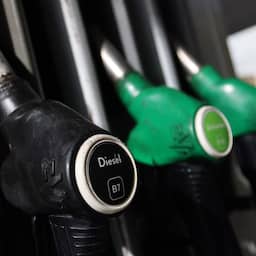
The Netherlands is resisting international pressure to release additional strategic oil reserves, arguing that these should be used only for severe supply crises rather than managing global prices. While global diesel and kerosene supplies are tightening, officials and experts maintain there is no immediate fuel shortage in the Netherlands or Europe.

Empty shelves, saunas in the coolers: our essential services are vulnerable to cyber incidents

Empty shelves, saunas in the coolers: our essential services are vulnerable to cyber incidents

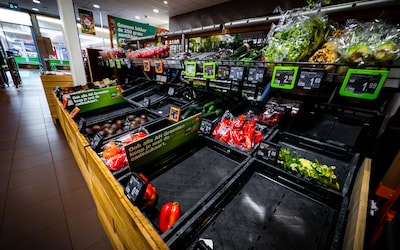
The grocery sector is increasingly facing cybersecurity threats, leading to incidents such as empty store shelves and malfunctioning cooling equipment. Experts warn that these vulnerabilities in essential services could cause further public instability if security measures are not improved.