Hundreds of ships stuck off Strait of Hormuz, oil prices rise slightly
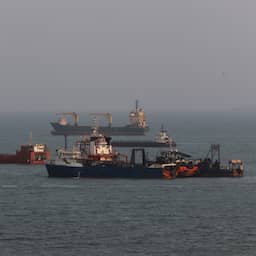
Military confrontations between the United States and Iran have led to a near-total blockade of the Strait of Hormuz, stranding hundreds of ships in the Persian Gulf. Consequently, global oil prices have increased, which is expected to drive up fuel costs for consumers in the Netherlands.
Tensions between the United States and Iran have escalated into direct military conflict, marked by American strikes on Iranian missile installations and Iranian retaliation against bases in Jordan. A supertanker was also reported to have caught fire after striking a mine in the Strait of Hormuz. As a result, the vital maritime passage faces a near-total blockade, leaving approximately four hundred vessels and their crews stranded in the Persian Gulf. Data indicates that daily transit through the strait has dropped significantly, with only a handful of smaller ships passing through over the weekend.
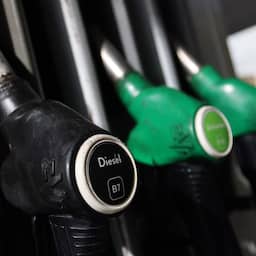
Global oil markets have responded to the instability, with prices for both WTI and Brent crude rising by nearly three percent. This disruption in oil supply is expected to impact consumers, with prices at gas stations in the Netherlands already showing sensitivity to the rising costs of raw crude. As the situation remains volatile, stakeholders continue to monitor the impact on international shipping routes and global energy costs.
Based on reporting by nu. Translated and condensed by LocalHeadlines.