ad

Wero is coming, but there are fears of higher costs
Wero is coming, but there are fears of higher costs

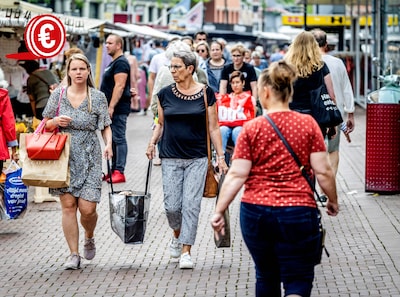
The Wero payment system is set to replace iDeal in the Netherlands next month, promising better consumer protection and European independence from American providers. While the transition offers new features like subscription management, entrepreneurs worry that upcoming changes to fee structures will lead to higher transaction costs.

The Wero payment system is set to replace iDeal in the Netherlands next month, aiming to reduce European reliance on American payment providers like Visa and Mastercard. While Wero promises increased consumer protection and convenience for cross-border shopping within the EU, many entrepreneurs are concerned about potential cost increases. Currently, businesses pay a small fixed fee per iDeal transaction, but the transition to a percentage-based model starting in 2029 raises fears of higher operational expenses. However, Wero representatives have confirmed that current price levels will be maintained until 2028, with a price cap planned for future percentage-based fees.

Beyond basic transactions, Wero is designed to introduce new features such as subscription management by 2027 and peer-to-peer transfers. The platform also aims to enhance security and reduce online fraud by allowing consumers to dispute payments for undelivered or faulty goods, similar to existing credit card policies. While businesses worry about the administrative burden of these disputes, the developers argue that the system remains competitive and will ultimately benefit the broader digital payment landscape in Europe.

Based on reporting by ad. Translated and condensed by LocalHeadlines.
Related articles

Demand for Chinese cars is surging; German and French manufacturers fall behind

Demand for Chinese cars is surging; German and French manufacturers fall behind

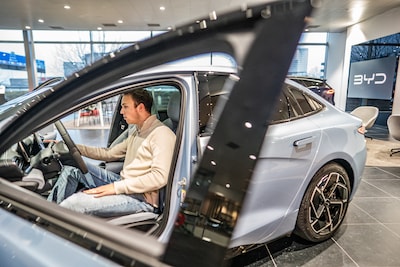
Chinese car sales in the Netherlands have more than doubled this year, significantly impacting traditional European manufacturers. Strong demand for affordable, feature-rich electric and hybrid vehicles, supported by partnerships with local dealers, has propelled China to become a leading player in the Dutch automotive market.

Police launch criminal investigation into cyberattack on Albert Heijn parent company

Police launch criminal investigation into cyberattack on Albert Heijn parent company

Dutch police have launched a criminal investigation into a cyberattack against Ahold Delhaize that disrupted operations at stores like Albert Heijn. While the incident caused significant logistical problems, the company reports no evidence that personal data has been stolen.

Disappointment over Airbnb 'dishwashing ban': 'Not much of the romance left'

Disappointment over Airbnb 'dishwashing ban': 'Not much of the romance left'

Airbnb is ending the practice of allowing hosts to impose specific cleaning tasks, such as washing dishes or stripping beds, on their guests before checkout. Experts suggest this move aims to make the platform more mainstream, though some question if the change will truly benefit the user experience.

Most Albert Heijn customers still unable to order online delivery due to ongoing app issues

Most Albert Heijn customers still unable to order online delivery due to ongoing app issues

Albert Heijn has resumed home grocery deliveries at reduced capacity following a cyberattack on parent company Ahold Delhaize that halted services for nearly two weeks. Despite the restart, customers report ongoing technical errors with the app and website, while experts estimate the company lost up to 200 million euros in revenue during the outage.

An emergency neighborhood supermarket that always has toilet paper, rice and crispbread in stock: it’s happening in Denmark

An emergency neighborhood supermarket that always has toilet paper, rice and crispbread in stock: it’s happening in Denmark

Denmark is preparing to launch 51 emergency supermarkets equipped to function during power outages and cyberattacks, providing essential supplies even without grid connectivity. The Netherlands is currently exploring similar strategies as part of a national food security plan, though no concrete implementation has been finalized.