parool

TikTok queue at Fabel Friet affects house prices: average loss of 41,000 euros
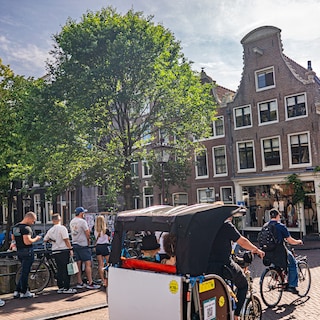
TikTok queue at Fabel Friet affects house prices: average loss of 41,000 euros

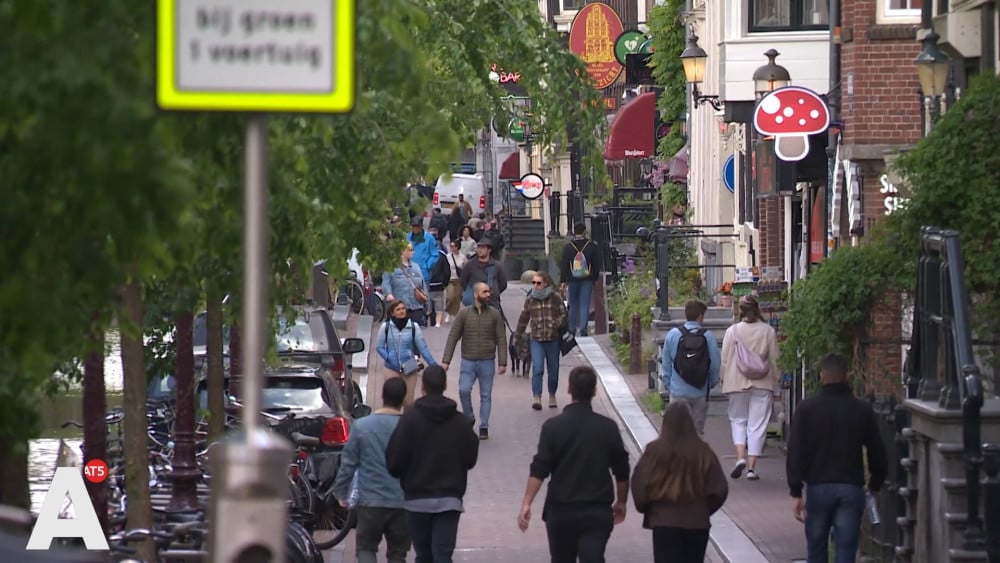
A study by TU Delft researcher Rosa van der Drift indicates that homes within 500 meters of the popular Amsterdam snack bar Fabel Friet have lost an average of 41,000 euros in value since 2022. Local residents are now challenging the city in court, seeking stricter measures to mitigate the disruptions caused by the shop's viral popularity.

Research conducted by TU Delft doctoral candidate Rosa van der Drift suggests that the extreme popularity of the Fabel Friet snack bar in Amsterdam has negatively impacted local property values. By analyzing over 6,000 home sales between 2015 and 2023, the study found that homes within 500 meters of the shop experienced a 4.88 percent decline in value since the onset of the store's TikTok-driven fame in 2022. This represents an average loss of approximately 41,000 euros per property compared to similar homes further away. The decline is most pronounced for residences in closest proximity, with values dropping by 11.4 percent for homes within 70 meters.

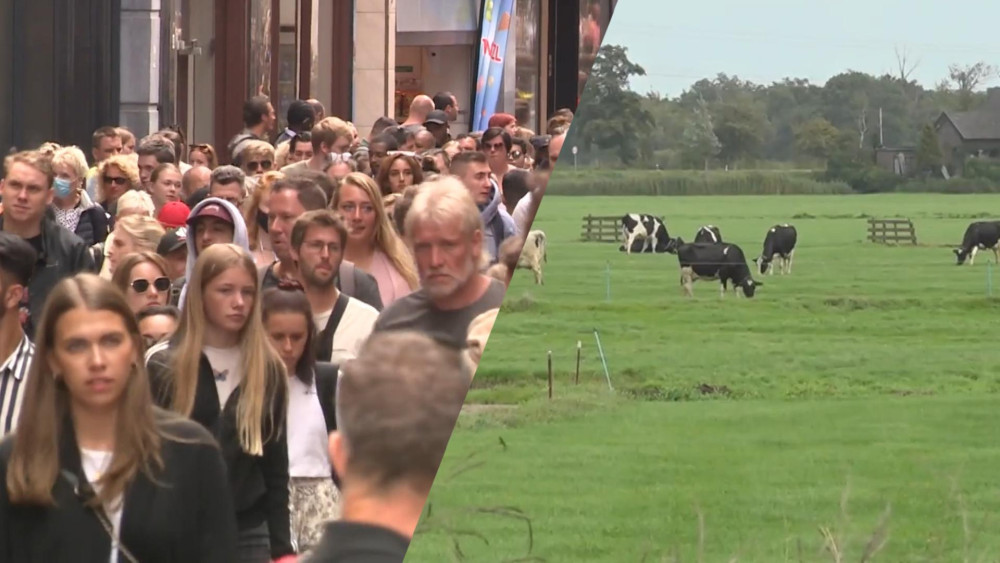
Local residents have long cited issues such as crowded sidewalks, blocked bridges, and excess litter as significant problems caused by the snack bar's popularity. Frustrated by these conditions, neighbors are now taking legal action against the municipality, demanding stricter enforcement to curb the issues caused by the persistent queues. The research did not isolate a single cause for the devaluation, noting that the combination of crowds and sanitation issues may be influencing buyer sentiment in the area.

Based on reporting by parool. Translated and condensed by LocalHeadlines.
Related articles

Minister pleased with massive residential towers near Arena: "Excellent accessible location"

Minister pleased with massive residential towers near Arena: "Excellent accessible location"

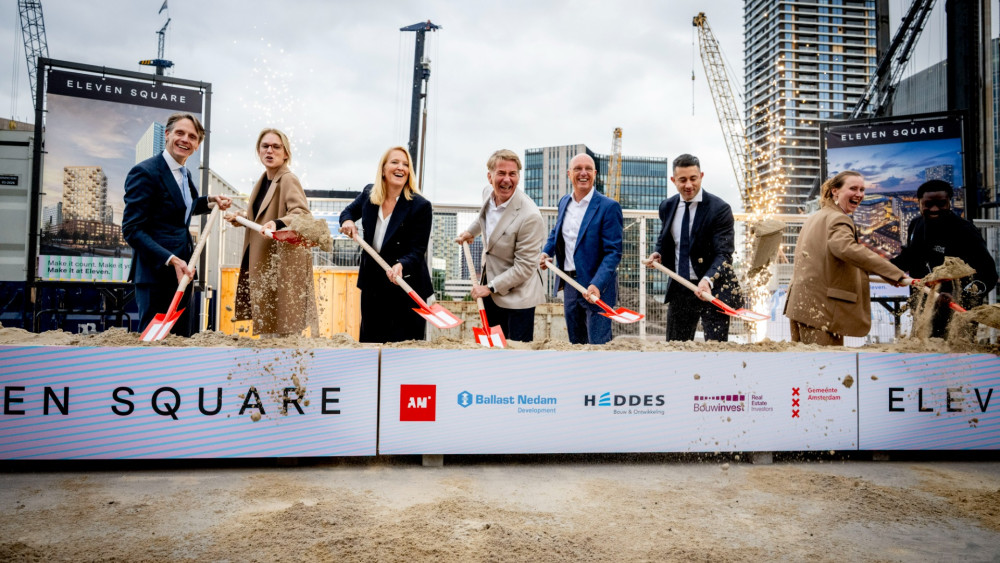
Housing Minister Elanor Boekholt-O’Sullivan and Amsterdam officials have officially marked the construction start of Eleven Square, a major development near the Johan Cruijff Arena. The project will add over 1,100 homes to the city, including its tallest residential tower, with a planned completion date of 2029.

Conference industry fears higher tourist tax: We are driving away the wrong tourists

Conference industry fears higher tourist tax: We are driving away the wrong tourists

Amsterdam is set to increase its tourist tax to 20 percent by 2031, prompting concerns from the conference industry that the move will drive away valuable business travelers. Industry leaders argue that these visitors are economically beneficial and cause less nuisance than other tourists, but the municipality remains committed to the tax hike to help manage city-wide tourism challenges.

Busy Amsterdam and quiet Weesp face same high tourist tax? "We want a tailored approach"

Busy Amsterdam and quiet Weesp face same high tourist tax? "We want a tailored approach"

Amsterdam plans to raise its tourist tax to 20 percent by 2031, a policy that currently also impacts the quieter town of Weesp. Local business owners are requesting a tailored approach, arguing that the rural area should not be subject to the same high rates as the busy city center.

Is the city's tourism policy driving away the wrong visitors? Coalition refuses to change course

Is the city's tourism policy driving away the wrong visitors? Coalition refuses to change course

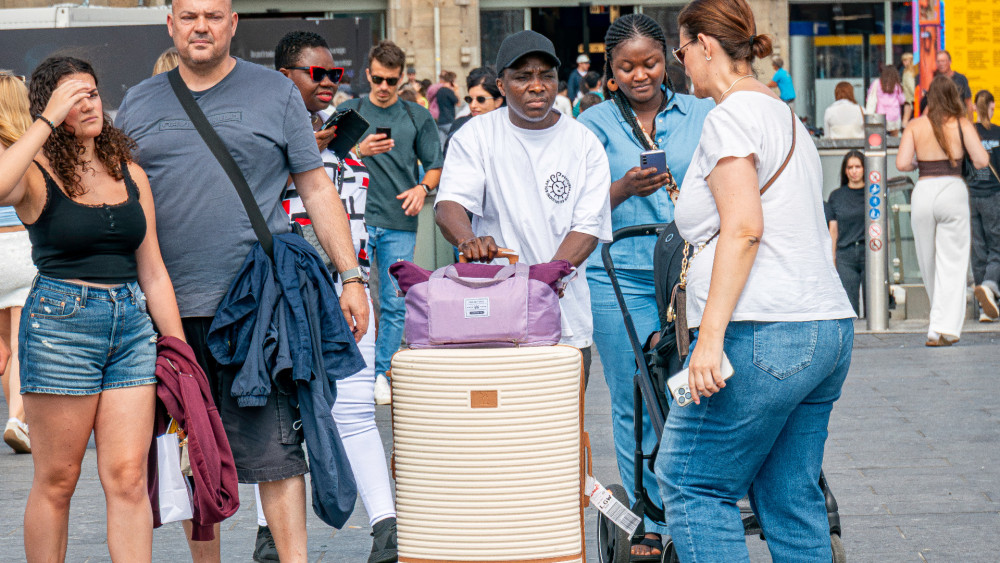
Amsterdam's coalition government is facing backlash from the hospitality and business sectors due to a sharp decline in business travelers and plans to increase tourist taxes to the highest level in the world. Despite industry warnings that these measures are deterring valuable visitors and jeopardizing revenue, the city leadership refuses to change its current policy.

2027 budget: civil service reorganization delayed, little room for new investments

2027 budget: civil service reorganization delayed, little room for new investments

Amsterdam's 2027 budget highlights a period of financial hardship due to rising interest costs and debt, leaving little room for new city investments. The local government is focusing on basic maintenance and essential services, while delaying a planned administrative reorganization and relying on increased tourist and parking taxes for revenue.