rss

Concerns over halting pilot program helping crack users with medication: "We cannot let this happen"

Concerns over halting pilot program helping crack users with medication: "We cannot let this happen"

Amsterdam city officials are urging the Minister of Health to overturn a decision by the Health and Youth Care Inspectorate that halted a trial using dexamphetamine to treat crack addiction. Councilor Alexander Scholtes, supported by Mayor Halsema, argues that the medication is a vital and promising tool for helping addicts recover.

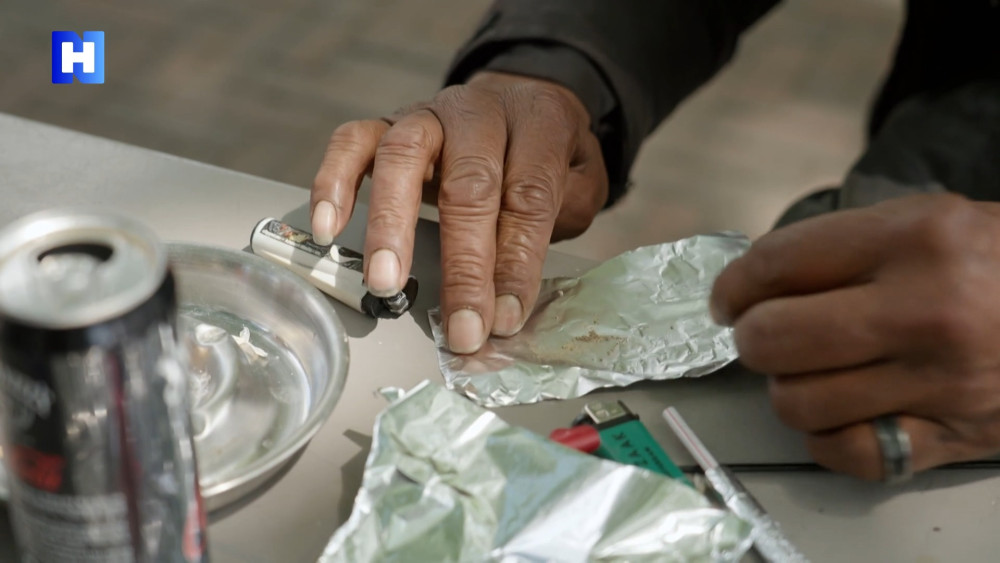
Amsterdam city councilor Alexander Scholtes has expressed significant concern following the Health and Youth Care Inspectorate's decision to halt a clinical trial involving the use of dexamphetamine to treat crack addiction. Supported by Mayor Halsema, Scholtes has sent an urgent letter to the Minister of Health, Public Health and Sport, urging a reversal of this decision. The local government argues that the medication is a promising tool that helps stabilize users, similar to how methadone functions for heroin addicts, and that its suspension leaves vulnerable individuals without an effective treatment option.

While the exact reasons for the inspectorate's intervention remain unclear due to an ongoing supervisory procedure concerning pharmaceutical production at the involved hospital, local officials are demanding immediate dialogue with the ministry. The city had recently initiated the study to explore how the drug could mitigate the intense withdrawal cycles associated with crack use. Scholtes emphasized that the city cannot allow this potential breakthrough in addiction care to be abandoned, as the treatment represents a critical path to recovery for heavily addicted residents.

Based on reporting by rss. Translated and condensed by LocalHeadlines.
Related articles

Majority of Dutch parliament on drug nuisance by homeless: adjust mental health care funding

Majority of Dutch parliament on drug nuisance by homeless: adjust mental health care funding

A coalition of Dutch political parties is advocating for a reform of mental health care funding to better support homeless individuals struggling with drug addiction. Lawmakers argue that the current system fails those with complex needs and are calling on the government to prioritize structural changes and increased housing availability.

Large majority of Dutch parliament on homeless drug nuisance: adjust mental healthcare funding

Large majority of Dutch parliament on homeless drug nuisance: adjust mental healthcare funding

A majority of the Dutch parliament supports reforming mental healthcare financing to provide better care for homeless individuals with complex addiction issues. Lawmakers aim to address gaps in the current system that prioritize easy-to-treat patients while failing those with severe needs, following concerns raised by the mayor of Amsterdam regarding public nuisance.

Balans takes legal action against the State over the problem of school absenteeism: "More appropriate education needed"

Balans takes legal action against the State over the problem of school absenteeism: "More appropriate education needed"

The parents' association Balans is taking the Dutch State to court, arguing that the government has failed to guarantee the right to education for children who are currently falling out of the school system. The association is pushing for more flexible, customized schooling solutions to address the rising number of children forced to stay home due to a lack of adequate support.

Amsterdam wants to pilot medication for crack users: "Government must grant permission"

Amsterdam wants to pilot medication for crack users: "Government must grant permission"

Mayors of the four largest Dutch cities have requested government approval to use dexamphetamine as a medical treatment for crack cocaine addiction. Researchers aim to launch a pilot program in Amsterdam to determine if the drug can help users reduce consumption, though it currently faces significant regulatory hurdles.

Dutch Safety Board sounds alarm: refugee children in emergency shelters living in unsafe conditions

Dutch Safety Board sounds alarm: refugee children in emergency shelters living in unsafe conditions

The Dutch Safety Board has released a report warning that refugee children in emergency shelters face unsafe living conditions, including poor sanitation and limited privacy. The board has called on the Minister of Asylum and Migration to urgently address these systemic failures as approximately 7,000 children remain in precarious housing nationwide.