ad

Better healthcare for women could yield 3 billion euros, as many currently struggle for years
Better healthcare for women could yield 3 billion euros, as many currently struggle for years

Providing better healthcare for working women could save more than 3 billion euros by reducing long-term absenteeism caused by undiagnosed hormonal and physical conditions. Research from Amsterdam UMC shows that timely treatment of common female health issues significantly improves economic productivity and alleviates pressure on the healthcare sector.

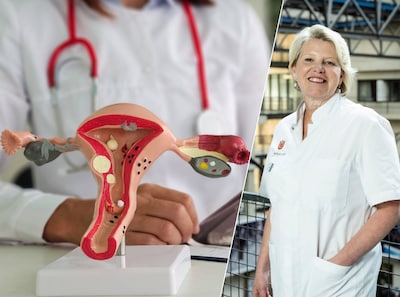
A study conducted by Amsterdam UMC suggests that providing timely, appropriate healthcare for working women could generate over 3 billion euros for the Dutch economy. Currently, many women suffer for years from conditions like severe menstrual issues, menopause symptoms, or pelvic floor problems, often leading to prolonged absenteeism. Researchers found that it typically takes eight to twelve years for women to receive a proper diagnosis, during which they consult numerous healthcare providers without success. In response, Amsterdam UMC established a clinic specifically for gender-specific health conditions, which has successfully diagnosed 89 percent of patients who sought care.

Financial analysis by Social Finance indicates that every euro invested in women's health returns more than 13 euros in economic benefits by reducing sickness absence and relieving pressure on the healthcare system. Professor Judith Huirne, who is presenting these findings to the Minister of Health, emphasizes the urgent need for investment in both diagnostics and treatment methods. With interest growing from other hospitals, the initiative aims to bridge the significant gap in women's healthcare, potentially helping to address the impending shortage of healthcare personnel in the country.

Based on reporting by ad. Translated and condensed by LocalHeadlines.

Related articles

Nightlife trend among Gen Z: alcohol falling out of favor, 3-MMC and ketamine rising in popularity

Nightlife trend among Gen Z: alcohol falling out of favor, 3-MMC and ketamine rising in popularity

A 2025 Antenne-monitor study reveals that young adults in Amsterdam are drinking less alcohol while the usage of drugs like 3-MMC and ketamine is increasing. This trend marks a significant shift in the nightlife habits of the younger generation.

TikTok queue at Fabel Friet affects house prices: average loss of 41,000 euros

TikTok queue at Fabel Friet affects house prices: average loss of 41,000 euros

A study by TU Delft researcher Rosa van der Drift indicates that homes within 500 meters of the popular Amsterdam snack bar Fabel Friet have lost an average of 41,000 euros in value since 2022. Local residents are now challenging the city in court, seeking stricter measures to mitigate the disruptions caused by the shop's viral popularity.

Minister pleased with massive residential towers near Arena: "Excellent accessible location"

Minister pleased with massive residential towers near Arena: "Excellent accessible location"

Housing Minister Elanor Boekholt-O’Sullivan and Amsterdam officials have officially marked the construction start of Eleven Square, a major development near the Johan Cruijff Arena. The project will add over 1,100 homes to the city, including its tallest residential tower, with a planned completion date of 2029.

Conference industry fears higher tourist tax: We are driving away the wrong tourists

Conference industry fears higher tourist tax: We are driving away the wrong tourists

Amsterdam is set to increase its tourist tax to 20 percent by 2031, prompting concerns from the conference industry that the move will drive away valuable business travelers. Industry leaders argue that these visitors are economically beneficial and cause less nuisance than other tourists, but the municipality remains committed to the tax hike to help manage city-wide tourism challenges.

Busy Amsterdam and quiet Weesp face same high tourist tax? "We want a tailored approach"

Busy Amsterdam and quiet Weesp face same high tourist tax? "We want a tailored approach"

Amsterdam plans to raise its tourist tax to 20 percent by 2031, a policy that currently also impacts the quieter town of Weesp. Local business owners are requesting a tailored approach, arguing that the rural area should not be subject to the same high rates as the busy city center.