Full trash container? A 'fill-level sensor' may sound the alarm in the future
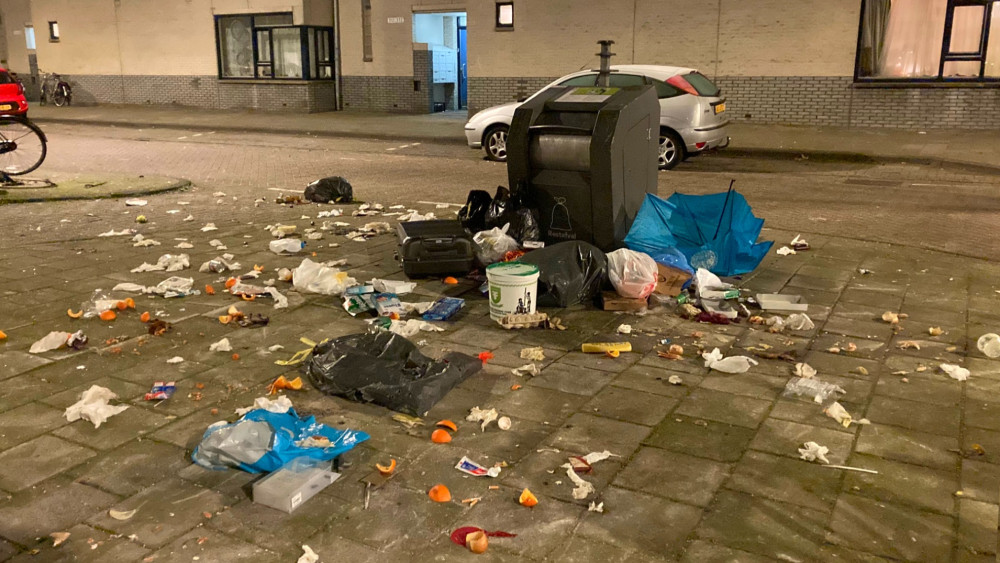
The municipality of Amsterdam is testing fill-level sensors in waste containers to optimize collection routes and reduce overflow. A trial with glass containers has already shown that smarter monitoring can improve efficiency, with plans to expand the sensor program by 2028.
The municipality of Amsterdam is evaluating the implementation of fill-level sensors in waste containers to prevent overflow and littering. Currently, a trial involving 1500 glass containers has demonstrated that many are being emptied prematurely, suggesting that collection routes could be optimized for greater efficiency. The local government is conducting a market study and further testing to develop a solid business case, with the goal of equipping most containers with this technology by early 2028.
While officials acknowledge that these sensors will not eliminate all waste-related issues, such as illegal dumping or broken infrastructure, they view them as a key tool for smarter resource management. By monitoring fill levels in real-time, the city aims to reduce unnecessary collection trips and improve overall sanitation standards. Although the current project seeks to modernize the waste collection process, the municipality notes that human behavior and maintenance issues will remain significant factors in keeping streets clean across the city.
Based on reporting by rss. Translated and condensed by LocalHeadlines.