ad

Michelin doesn't look at how dirty the toilets are, but at what's on your plate: this is how stars are awarded

Michelin doesn't look at how dirty the toilets are, but at what's on your plate: this is how stars are awarded

The Michelin Guide began as a marketing tool for a tire company to encourage travel, but it has become a global standard for restaurant ratings based strictly on culinary quality. The system uses anonymous inspectors to evaluate consistency and flavor, ignoring factors like hygiene or decor, and there is no mechanism for restaurants to purchase or refuse these ratings.

The Michelin Guide, originally created by a French tire manufacturer in 1900 to encourage driving and boost tire sales, has evolved into the industry standard for culinary excellence. The guide assigns one, two, or three stars based exclusively on the quality of the food and cooking techniques, rather than factors like service or interior decor. Since 1957, these stars have been awarded in the Netherlands, with 119 restaurants currently holding at least one distinction.

Inspectors are anonymous professionals who pay for their own meals to maintain independence, ensuring that stars cannot be purchased. While stars reflect culinary quality, Michelin uses separate symbols for comfort and service. If a restaurant consistently delivers high-quality ingredients, balanced flavors, and technical mastery, it remains eligible for a star regardless of its physical setting or luxury status. Although the guide has pivoted to digital platforms and apps for revenue, the integrity of the anonymous inspection process remains the core of its global reputation.

Based on reporting by ad. Translated and condensed by LocalHeadlines.
Related articles

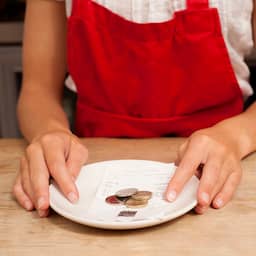
Tipping is voluntary, but it doesn't feel that way with a payment screen under your nose

Tipping is voluntary, but it doesn't feel that way with a payment screen under your nose

The increasing use of digital tipping screens in the Dutch hospitality sector is raising concerns over consumer manipulation through dark patterns and social pressure. While businesses see them as a convenient payment tool, psychologists argue these designs exploit human behavior to extract higher tips, potentially damaging the customer experience.

Meatballs and steak hard to resist: 95 percent of the Dutch still eat meat

Meatballs and steak hard to resist: 95 percent of the Dutch still eat meat

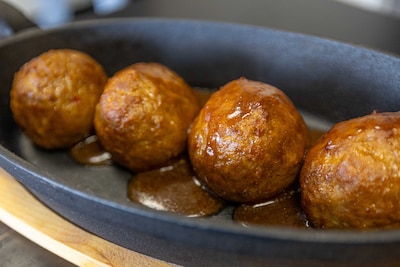
Recent data from the 2026 National Meat Survey shows that 95 percent of people in the Netherlands still consume meat, primarily because they enjoy the taste. Despite growing concerns over rising prices and food security, meat remains a staple of the Dutch diet, with many consumers worried about the affordability of animal proteins.

Amsterdam is the most popular city for young people leaving their parental home

Amsterdam is the most popular city for young people leaving their parental home

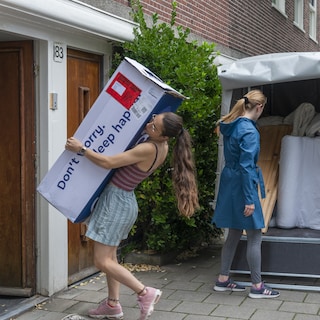
Data from Statistics Netherlands shows that over 174,000 young adults moved out of their parental homes in 2024, with Amsterdam being the most popular destination. The figures reveal distinct trends in housing preferences and independence ages between students and non-students.

Studio without a kitchen for 1,900 euros: "After a year, you've had enough of microwave meals"

Studio without a kitchen for 1,900 euros: "After a year, you've had enough of microwave meals"

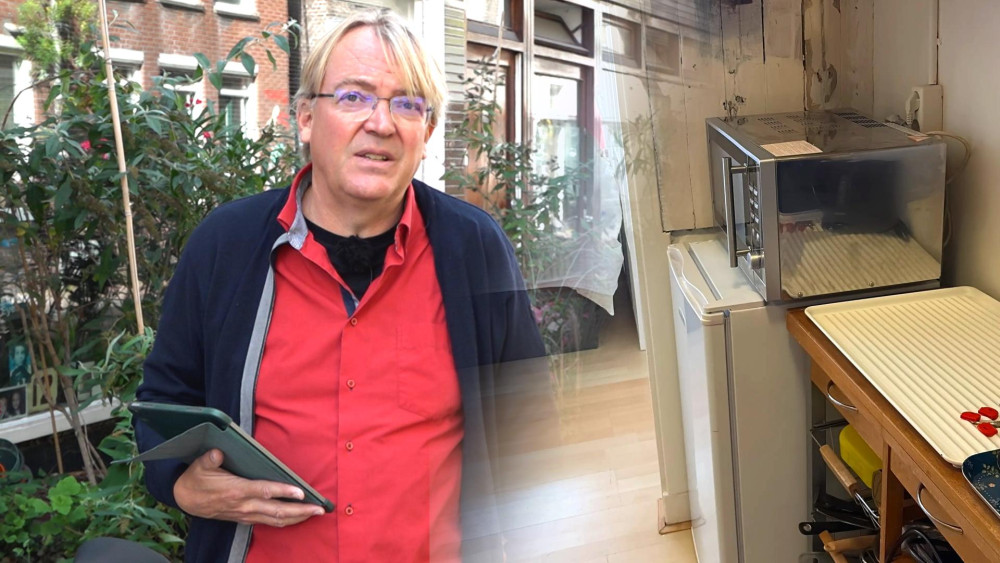
A 22-square-meter studio apartment in Amsterdam's Jordaan neighborhood is being advertised for 1,900 euros per month, despite lacking a kitchen and a washing machine. Housing experts suggest the rent is legally excessive, yet the unit continues to attract interest from expatriates.

Why did Amsterdam receive no new Michelin stars this year? ‘A three-star restaurant is still a long way off’

Why did Amsterdam receive no new Michelin stars this year? ‘A three-star restaurant is still a long way off’

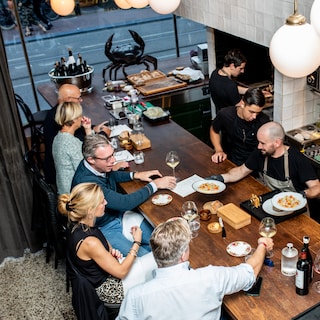
For the first time in ten years, Amsterdam saw no new restaurants awarded Michelin stars, while three establishments lost theirs. Experts attribute this trend to the increasing economic pressure on local chefs and restaurant owners.