rss

Court of Audit critical of budget: "Insufficient information provided"

Court of Audit critical of budget: "Insufficient information provided"

The Amsterdam-Zaanstad Court of Audit has criticized the city's new budget for lacking transparency and failing to provide concrete plans for 344 million euros in planned cuts. The report also highlights concerns regarding rising municipal debt and ambiguous strategies for staff reductions ahead of the final council vote.

The Amsterdam-Zaanstad Court of Audit has issued a critical report regarding the municipality's latest budget, claiming it lacks the necessary information for the city council to make informed financial decisions. The report notes that the budget has been overly simplified and that there are no concrete plans for the majority of the 344 million euros in proposed budget cuts. Furthermore, the Court of Audit expressed concern over the lack of transparency regarding staff reductions, noting that only nine out of 51 investigated savings options were utilized without clear justification for why the others were rejected.

Financial stability remains a significant concern, as the municipality's debt is projected to climb to 10.9 billion euros by 2030. The Court of Audit highlighted that it remains unclear whether banks are willing to provide this level of financing, as negotiations are ongoing. With a final vote scheduled for November 11 and 12, the council has been advised to demand further documentation from Alderman Hendrik Jan Biemond before proceeding with the approval of the proposed financial framework.

Based on reporting by rss. Translated and condensed by LocalHeadlines.

Related articles

Court of Audit critical of budget: "Insufficient information provided"

Court of Audit critical of budget: "Insufficient information provided"

The Amsterdam-Zaanstad Court of Audit has criticized the city's new budget for lacking transparency and failing to provide concrete plans for 344 million euros in planned savings. The body also expressed concern over rising debt levels and the limited explanation regarding proposed personnel cuts, urging the city council to demand more information before voting in November.

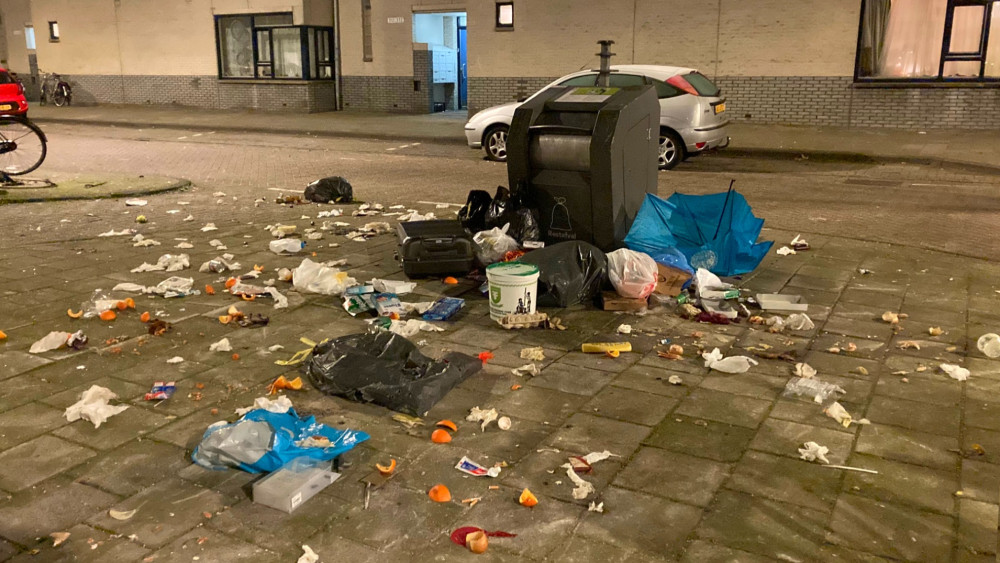
Full trash container? A 'fill-level sensor' may sound the alarm in the future

Full trash container? A 'fill-level sensor' may sound the alarm in the future

The municipality of Amsterdam is testing fill-level sensors in waste containers to optimize collection routes and reduce overflow. A trial with glass containers has already shown that smarter monitoring can improve efficiency, with plans to expand the sensor program by 2028.

Screen Time | Trump fans the AI flames further as regulations remain absent

Screen Time | Trump fans the AI flames further as regulations remain absent

President Donald Trump and tech executives have agreed to a set of voluntary safety standards for artificial intelligence, though critics argue that self-regulation is insufficient compared to formal legislation. Meanwhile, domestic news includes the arrest of a Dutch hacker and the launch of a new cycling weather app in Amsterdam.

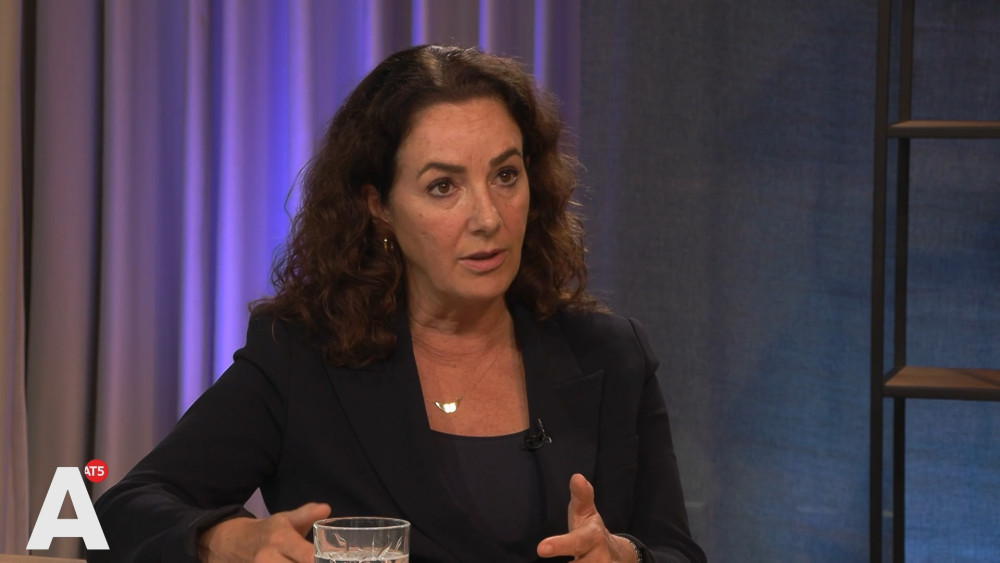
Halsema: number of tourists must be curbed, even if it costs the hospitality industry visitors

Halsema: number of tourists must be curbed, even if it costs the hospitality industry visitors

Amsterdam Mayor Femke Halsema has stated that the city must actively reduce the number of annual tourists to protect local livability and curb negative issues like waste. Although she acknowledges that limiting visitors may negatively affect hospitality revenue, she argues that the environmental and social costs of mass tourism are no longer sustainable.

Amsterdam scraps neighborhood budgets: residents can no longer vote on local funding

Amsterdam scraps neighborhood budgets: residents can no longer vote on local funding

The City of Amsterdam is ending its neighborhood budget program, which allowed residents to vote on local improvement projects, due to limited resources and difficulties in reaching a broader demographic. While the specific budget scheme is being terminated, the city maintains that the designated funds will be redirected toward other democratization efforts, such as citizen assemblies.