nu

Parliament votes for more green gas despite concerns over manure and energy bills
Parliament votes for more green gas despite concerns over manure and energy bills

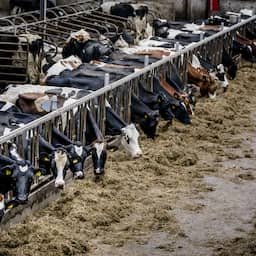
The Dutch House of Representatives has approved a new law mandating the use of green gas to lower CO2 emissions. The legislation faces criticism over potential increases in household energy costs and concerns that it may incentivize intensive livestock farming.

The Dutch House of Representatives has approved a new law introducing a mandatory blending requirement for green gas to reduce CO2 emissions. By utilizing sources such as food waste and manure, the government aims to inject billions of cubic meters of sustainable gas into the network. The legislation faces significant debate, as critics point to potential increases in household energy bills and concerns that manure-based gas production could inadvertently encourage intensive livestock farming. Government officials contend that the transition will be managed carefully to ensure agricultural sustainability and have promised to monitor for any negative environmental impacts.

Despite these assurances, some political parties expressed strong opposition. The Partij voor de Dieren remains skeptical about the impact on the bio-industry, while the BBB voted against the measure due to concerns regarding future manure availability. The government intends to implement the policy by January 1, pending rapid approval from the Senate. Once in effect, the requirement will scale gradually, with approximately 10 percent of household gas consumption expected to be green by 2031.

Based on reporting by nu. Translated and condensed by LocalHeadlines.

Related articles

New box 3 system sparks a barrage of reader questions: read all the answers here

New box 3 system sparks a barrage of reader questions: read all the answers here

The Dutch government is revising its proposed box 3 tax system following parliamentary pushback regarding the impact on small savers and investors. With no final regulations in place, ongoing debates continue to focus on how capital gains and wealth will be taxed starting in 2028.

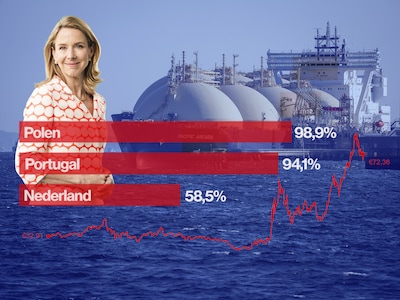
One week of emergency gas reserves, lower storage levels: how do we stay warm this winter?

One week of emergency gas reserves, lower storage levels: how do we stay warm this winter?

As winter approaches, concerns are rising in the Netherlands due to lower than normal gas storage levels and increasing energy costs. Climate Minister Stientje van Veldhoven is currently developing a strategic emergency gas reserve to ensure supply security for the population.

Live Q&A: ask all your questions about box 3 today

Live Q&A: ask all your questions about box 3 today

Financial experts and political reporters are hosting a live Q&A on Tuesday, October 6, to clarify changes to the Dutch box 3 wealth tax. The discussion focuses on the cabinet's transition toward taxing actual returns and the potential impact of new capital gains tax proposals on different groups of savers and investors.

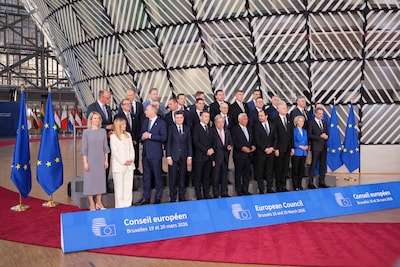
Net contributors and net recipients completely at odds over EU budget: ‘Out of touch and appalling’

Net contributors and net recipients completely at odds over EU budget: ‘Out of touch and appalling’

European Union member states are divided over the next long-term budget, with net-recipients demanding increased spending and the removal of contribution rebates for wealthier nations. Conversely, net-contributor countries are pushing for deep budget cuts, labeling the recipients' demands as unrealistic while refusing to increase their own financial commitments.

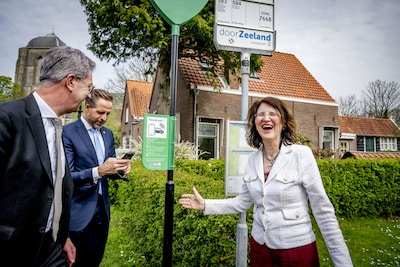
Cabinet opens purse strings to tackle poor regional accessibility: 300 million for self-driving buses and more

Cabinet opens purse strings to tackle poor regional accessibility: 300 million for self-driving buses and more

The Dutch government plans to invest 300 million euros annually from 2030 to improve regional public transport accessibility and address staff shortages. Key measures include testing autonomous buses and centralizing demand-responsive transport services to replace lost transit routes.