ad

State to halve ABN Amro stake to 10.5 percent
State to halve ABN Amro stake to 10.5 percent

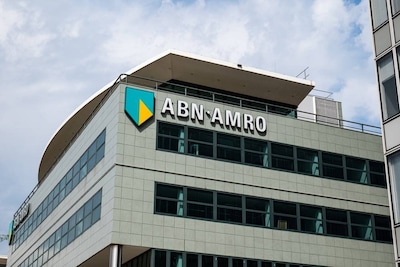
The Dutch government plans to reduce its stake in ABN Amro from 20.7 percent to 10.5 percent through a new trading plan. This step continues the state's gradual exit from the bank, which was nationalized during the 2008 financial crisis and returned to the stock market in 2015.

The Dutch government, through the NLFI foundation, has announced plans to reduce its stake in ABN Amro from 20.7 percent to 10.5 percent. This divestment will be carried out via a pre-arranged trading plan executed by BofA Securities Europe, building upon the state's long-term strategy to withdraw from the bank since its nationalization during the 2008 financial crisis. This move follows a significant reduction in September and comes as the bank's stock value on the Amsterdam exchange has seen a strong increase this year.

ABN Amro chief Marguerite Bérard expressed support for the decision, noting that the reduction was anticipated by the market. Meanwhile, the bank continues to implement its cost-cutting measures, having already completed approximately 45 percent of a planned reduction of over 5,000 jobs to improve profitability. The government previously generated roughly 2.5 billion euros from a similar divestment process concluded in July, and the bank is currently valued at approximately 34.5 billion euros.

Based on reporting by ad. Translated and condensed by LocalHeadlines.

Related articles

High rents drive away candidates: private sector homes stay online longer

High rents drive away candidates: private sector homes stay online longer

Rental interest in the Netherlands has dropped significantly as rising prices and decreasing housing supply make finding a home more difficult. Landlords are increasingly selling their properties due to legislative changes and higher taxes, leading to a rental shortage that Pararius warns could take decades to address.

More than 76,000 rental homes have already disappeared from the market – landlords complain about affordable rent legislation

More than 76,000 rental homes have already disappeared from the market – landlords complain about affordable rent legislation

Since the introduction of the Affordable Rent Act in 2024, over 76,000 rental homes have been sold off by landlords across the Netherlands, tightening housing supply. Rental prices are simultaneously rising faster than inflation, with Amsterdam, Amstelveen, and Haarlem remaining among the most expensive areas for tenants.

One in ten houses sold in Amsterdam is a former rental property, landlords complain: 'The damage is enormous'

One in ten houses sold in Amsterdam is a former rental property, landlords complain: 'The damage is enormous'

Approximately 9.1 percent of homes sold in Amsterdam were formerly rental properties as landlords exit the market following the introduction of new rental legislation and higher taxes. Across the Netherlands, rental prices in the free sector are rising faster than inflation, with Amsterdam, Amstelveen, and Haarlem ranking as the most expensive regions for tenants.

Alderman: Amsterdam city center entrepreneurs too dependent on tourism

Alderman: Amsterdam city center entrepreneurs too dependent on tourism

Amsterdam alderman Melanie van der Horst has stated that businesses in the city center are overly reliant on tourism, making the local economy vulnerable to shifts in visitor spending. To address this and improve the area's appeal to residents, the city is planning to introduce stricter zoning and permitting rules to encourage more diverse retail and cultural offerings.

Amsterdam city center relies more heavily on tourists than other cities, Van der Horst warns of economic risk

Amsterdam city center relies more heavily on tourists than other cities, Van der Horst warns of economic risk

Amsterdam's retail and hospitality sectors rely heavily on tourism, leading to concerns from Deputy Mayor Van der Horst about economic vulnerability. The official warns that this focus on visitors risks alienating local customers and creating an imbalanced business landscape.