ad

High rents drive away candidates: private sector homes stay online longer
High rents drive away candidates: private sector homes stay online longer

Rental interest in the Netherlands has dropped significantly as rising prices and decreasing housing supply make finding a home more difficult. Landlords are increasingly selling their properties due to legislative changes and higher taxes, leading to a rental shortage that Pararius warns could take decades to address.

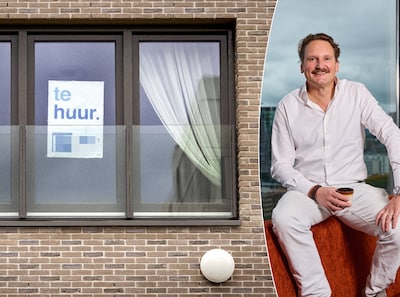
The interest in private rental sector housing in the Netherlands has significantly declined, with the number of responses per listing dropping by 42.5 percent compared to last year. According to the Pararius rental monitor, properties now sit online for longer periods as high rental prices discourage potential tenants. This trend is driven by an average price increase of 4.4 percent per square meter, which has outpaced both inflation and home purchase price growth. Furthermore, the supply of rental properties has shrunk as many landlords choose to sell their assets due to increased tax burdens and the introduction of the Affordable Rent Act. Since the implementation of these regulations, over 76,000 rental properties have been removed from the market. While this shift has benefited some homebuyers, Pararius director Jasper de Groot warns that the legislation is counterproductive, leading to a severe shortage of rental housing that will take decades to recover. Major cities like Amsterdam and Haarlem remain the most expensive areas for renters.

Based on reporting by ad. Translated and condensed by LocalHeadlines.
Related articles

More than 76,000 rental homes have already disappeared from the market – landlords complain about affordable rent legislation

More than 76,000 rental homes have already disappeared from the market – landlords complain about affordable rent legislation

Since the introduction of the Affordable Rent Act in 2024, over 76,000 rental homes have been sold off by landlords across the Netherlands, tightening housing supply. Rental prices are simultaneously rising faster than inflation, with Amsterdam, Amstelveen, and Haarlem remaining among the most expensive areas for tenants.

One in ten houses sold in Amsterdam is a former rental property, landlords complain: 'The damage is enormous'

One in ten houses sold in Amsterdam is a former rental property, landlords complain: 'The damage is enormous'

Approximately 9.1 percent of homes sold in Amsterdam were formerly rental properties as landlords exit the market following the introduction of new rental legislation and higher taxes. Across the Netherlands, rental prices in the free sector are rising faster than inflation, with Amsterdam, Amstelveen, and Haarlem ranking as the most expensive regions for tenants.

High energy costs also grip ice rinks: "Quite tense"

High energy costs also grip ice rinks: "Quite tense"

Ice rinks across the Netherlands are preparing for the upcoming season while managing high energy costs associated with maintaining ice floors. Many venues are successfully utilizing sustainable technologies like solar panels and heat recovery systems to keep operational expenses stable.

Four out of ten new homes in Haarlem were affordable for middle incomes in recent years

Four out of ten new homes in Haarlem were affordable for middle incomes in recent years

Between 2021 and 2024, only 41 percent of new homes built in Haarlem were affordable for low and middle-income residents, missing the upcoming national target of two-thirds. However, future development plans aim to reach 70 percent affordability by 2045 through various large-scale housing projects.

State to halve ABN Amro stake to 10.5 percent

State to halve ABN Amro stake to 10.5 percent

The Dutch government plans to reduce its stake in ABN Amro from 20.7 percent to 10.5 percent through a new trading plan. This step continues the state's gradual exit from the bank, which was nationalized during the 2008 financial crisis and returned to the stock market in 2015.