nu

EU and China reach agreement on hybrid car export restrictions
EU and China reach agreement on hybrid car export restrictions

The European Union and China have successfully negotiated an agreement to restrict the export of plug-in hybrid vehicles to Europe. This decision follows a dramatic increase in Chinese hybrid imports, which raised concerns in Brussels regarding fair competition and the stability of the European automotive market.

The European Union and China have reached an agreement regarding the export of plug-in hybrid vehicles following two days of negotiations in Beijing. While specific details of the agreement remain undisclosed, the move follows a significant surge in imports of Chinese hybrids, which rose by 86 percent through September as prices simultaneously dropped. Currently, over half of the plug-in hybrid vehicles imported into Europe originate from China, causing concern among EU officials regarding the competitiveness of local manufacturers.

Brussels has been seeking to address this trade imbalance after previously implementing tariffs on fully electric vehicles due to concerns over unfair government subsidies. EU leaders, including high-ranking representatives from Germany and France, have called for stricter measures against what they characterize as market-distorting practices. Beyond the automotive sector, this agreement is part of a broader European strategy to manage trade deficits with China, improve market access, and reduce long-term economic dependency on the country for strategic resources.

Based on reporting by nu. Translated and condensed by LocalHeadlines.
Related articles

EU selects 46 raw materials projects to reduce dependence on China

EU selects 46 raw materials projects to reduce dependence on China

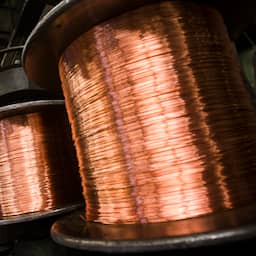
The European Commission has launched 46 projects across sixteen countries to reduce reliance on China for vital raw materials like lithium and copper. These initiatives, supported by prioritized permits and funding assistance, aim to significantly boost domestic processing and recycling capacity by 2030.

Gasoline prices headed for record highs due to ongoing Middle East unrest

Gasoline prices headed for record highs due to ongoing Middle East unrest

Gasoline prices in the Netherlands are nearing record levels due to supply chain disruptions caused by ongoing conflict in the Middle East. Disruptions near the Strait of Hormuz and regional violence have restricted global oil shipments, pushing the price of Euro95 to nearly 2.73 euros per liter.

Belgian strike affects train passengers to and from the Netherlands

Belgian strike affects train passengers to and from the Netherlands

A 24-hour rail strike in Belgium is causing significant travel disruptions, including canceled train services to and from the Netherlands and approximately 140 flight cancellations at Brussels Airport. Passengers are advised to check updated travel schedules as labor unions protest government austerity measures through widespread industrial action.

Global trade growing faster than expected despite Iran war

Global trade growing faster than expected despite Iran war

The WTO has raised its global trade growth forecast to 3.9 percent for this year, citing resilient supply chains and significant investments in AI despite the ongoing war in Iran. While goods trade remains strong, the conflict has forced a downward revision for the services sector due to disruptions in travel and transport.

Oil prices rise after multiple tanker attacks in Strait of Hormuz

Oil prices rise after multiple tanker attacks in Strait of Hormuz

At least twelve attacks on tankers in the Strait of Hormuz between late September and early October have caused shipping traffic to plummet to a two-month low. The resulting supply chain disruptions have driven global oil prices upward and led to increased fuel costs at the pump.