AI checkers assess texts for humanity: 'Good for the discussion'
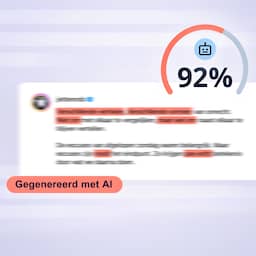
The rise of AI-generated content has prompted a growing debate over authenticity, leading to the increased use of detection software like Pangram. While these tools help identify AI-written texts, experts argue that they lack the necessary context to determine the intent behind AI usage and emphasize the need for societal norms regarding transparency.
The increasing use of generative AI tools like ChatGPT and Claude to draft text has sparked a debate about authenticity and the value of human effort. Experts like technologist Joris Krijger and lecturer Stefan Leijnen emphasize that relying on AI can diminish the perceived sincerity of a piece, as readers often value the effort put into manual writing. This tension recently surfaced when Dutch politician Rob Jetten used AI for official apologies, prompting discussions on whether using AI undermines personal responsibility. Programs like Pangram have emerged to detect AI usage by identifying predictable linguistic patterns. While these tools are increasingly accurate for longer texts, experts warn that they cannot guarantee total certainty and occasionally misidentify human writing. Furthermore, the nuances of AI assistance—such as improving clarity versus generating entire manuscripts—remain difficult to distinguish. As society navigates these technological shifts, debates are ongoing regarding the need for transparency and ethical standards, especially under the new European AI Act, to determine where AI usage is appropriate.
Based on reporting by nu. Translated and condensed by LocalHeadlines.