nu

Ships on the IJssel again restricted to one-way traffic due to water levels
Ships on the IJssel again restricted to one-way traffic due to water levels

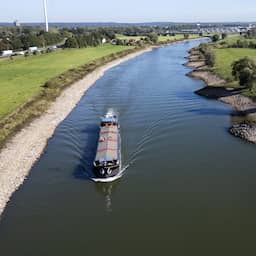
Rijkswaterstaat has reinstated one-way traffic for ships on the IJssel due to water levels falling back below 1.45 meters. The measure, caused by ongoing drought, forces vessels from Germany to take a 300-kilometer detour via Amsterdam.

Due to persistent drought and lower than expected rainfall, Rijkswaterstaat has reinstated one-way traffic restrictions for ships on the IJssel river. The water level has dropped back below the required 1.45-meter threshold, particularly affecting the narrow, winding stretch between Zutphen and Westervoort. Although some rain fell recently, levels remain exceptionally low in the Rhine and Meuse basins, continuing to pose challenges for inland shipping and water quality. Vessels arriving from Germany now face significant delays, including a 300-kilometer detour via Amsterdam and Tiel to reach their destination. While the locks at Eefde remain operational, officials continue to monitor water levels closely, noting that further adjustments to shipping regulations may be necessary if conditions change. The drought situation in the Netherlands remains critical, impacting navigation across several major waterways.

Based on reporting by nu. Translated and condensed by LocalHeadlines.

Related articles

Harry Styles concert series in Arena fueled inflation in the Netherlands

Harry Styles concert series in Arena fueled inflation in the Netherlands

A series of concerts by Harry Styles at the Johan Cruijff Arena in Amsterdam significantly pushed up Dutch inflation in May due to high demand for local services. Increased spending on hotel rooms and concert tickets, driven by a large influx of international visitors, contributed to the highest hotel-related inflation impact since 2011.

Regional transport strikes in full swing: 'It varies by region'

Regional transport strikes in full swing: 'It varies by region'

Regional transport workers in the Netherlands have begun a series of weekly strikes after collective labor agreement talks failed. Employees are pushing for better pay and improved working conditions, causing widespread but region-specific disruptions to bus and train services.

Cyber incident costs Albert Heijn at least 10 million euros, experts estimate

Cyber incident costs Albert Heijn at least 10 million euros, experts estimate

Experts estimate that a recent cyber incident has cost supermarket chain Albert Heijn at least 10 million euros in lost revenue and operational expenses. The disruption has halted online ordering and caused supply chain issues in physical stores, leading to a significant drop in the parent company's market value.

Regional transport workers go on strike: 'I want to stand up for my future'

Regional transport workers go on strike: 'I want to stand up for my future'

Regional bus drivers in the Netherlands have launched a series of strikes to protest proposed changes to their work schedules and longer, ten-hour shifts. The workers argue these new conditions negatively impact their personal lives and safety, while employers maintain that negotiations should have been handled without industrial action.

Ahold Delhaize loses 787 million euros in market value in one day due to IT crisis

Ahold Delhaize loses 787 million euros in market value in one day due to IT crisis

Parent company Ahold Delhaize lost 787 million euros in market value in one day due to a major IT crisis impacting its retail chains. The technical disruption has caused logistics issues and empty shelves, though the company says it is working to resolve the situation.