AI-generated texts appear in parliamentary debates: 'Comes at the expense of credibility'
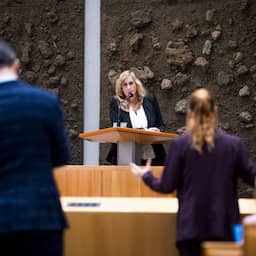
Recent research reveals that 68 members of the Dutch parliament have used artificial intelligence to draft or refine texts for parliamentary debates. While some argue these tools simply aid efficiency, experts warn that over-reliance on AI could compromise the authenticity and public trust of elected officials.
Research using the Pangram tool has identified nearly three hundred instances this year where members of the Dutch parliament relied on artificial intelligence to generate text for debates. A total of 68 politicians have used the technology, primarily for editing and shortening their prepared remarks. While some experts argue that using AI for basic text improvement is comparable to using spellcheckers, others warn that delegating political thought and expression to machines risks damaging the authenticity and credibility of parliament members.
Concerns are rising that as the use of AI becomes more frequent, politicians may lose the critical self-reflection necessary for their roles. Experts emphasize that the political process requires human empathy and genuine engagement, which cannot be automated. There is a growing call for parliament to establish clear guidelines on AI usage to protect public trust, which is currently at a record low. Philosophers and academics warn that relying on chatbots threatens to turn political debates into superficial performances, urging representatives to embrace human imperfections and dilemmas rather than striving for artificial perfection.
Based on reporting by nu. Translated and condensed by LocalHeadlines.