nu

Parcel lockers are popping up everywhere, but where is the best place?
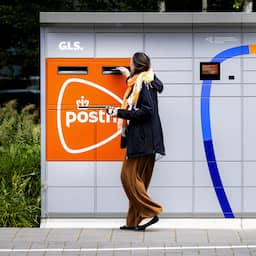
Parcel lockers are popping up everywhere, but where is the best place?

The number of package lockers in the Netherlands has nearly doubled in the past year as logistics companies respond to consumers wanting more control over delivery times. Urban planners and local authorities are now working to integrate these units into public spaces thoughtfully, balancing accessibility with the need to protect historic city centers and manage traffic.

The number of package lockers in the Netherlands has surged by 90 percent, reaching over 9,300 last year. Major logistics companies like PostNL, DHL, and Amazon are rapidly expanding their networks, driven by shifting consumer preferences that prioritize flexibility over rapid delivery. Research indicates that most consumers now prefer to choose their own delivery timing rather than demanding next-day service, leading to a significant increase in the presence of these automated collection points in the public sphere.

However, this growth poses challenges for urban planning and public space management. Experts and local governments are debating the most effective locations for these units to avoid congestion and negative environmental impacts. Strategies include integrating lockers into existing infrastructure like bicycle parking, sports canteens, or even combining them with new electrical substations. Cities like Amsterdam have already implemented covenants to restrict locker placement in historic city centers, opting instead to prioritize indoor locations to maintain the quality and accessibility of the public environment.

Based on reporting by nu. Translated and condensed by LocalHeadlines.
Related articles

Alderman concerned about rising interest rates, but major investments continue: "Though later or more modest"

Alderman concerned about rising interest rates, but major investments continue: "Though later or more modest"

Amsterdam's finance alderman Hendrik Jan Biemond intends to continue planned city investments but indicates they may be executed more soberly or delayed due to rising interest rates. The city will implement cost-saving measures, including the reduction of 2,500 municipal staff positions, to manage a projected increase in debt and interest expenses.

Amsterdam wants to increase tourist tax: what are the consequences and is it wise?

Amsterdam wants to increase tourist tax: what are the consequences and is it wise?

The Amsterdam city council is considering raising its tourist tax to 20 percent by 2031 to curb the city's ongoing overtourism issues and improve local livability. The proposal has drawn criticism from industry experts and political opponents, who argue that the tax will harm businesses and fail to effectively manage visitor numbers.

Letter from entrepreneurs to municipality on tourist tax hike: "Many negative consequences"

Letter from entrepreneurs to municipality on tourist tax hike: "Many negative consequences"

Business leaders in Amsterdam are urging the city council to pause and reconsider a planned hike in tourist tax that could reach 20 percent by 2031. They warn that the combined effect of this tax and a national VAT increase will place a 41 percent burden on hotel stays, threatening the viability of the city's hospitality and events sectors.

Judge blocks higher municipal tax for canal cruise passengers

Judge blocks higher municipal tax for canal cruise passengers

A court has ruled that the city of Amsterdam cannot increase the passenger tax for canal cruise boats to 2.50 euros, reinstating the former rate of 1.50 euros. The judge found that the proposed hike was unlawful because the city failed to justify the fee with direct benefits to the cruise operators and attempted to fund unrelated public programs.

More cultural funding to the regions? Halsema warns: "The labor market is in Amsterdam"

More cultural funding to the regions? Halsema warns: "The labor market is in Amsterdam"

Amsterdam Mayor Femke Halsema has warned the Dutch government against diverting cultural subsidies away from the capital, citing the risk of damaging the city's significant creative labor market. She also defended the autonomy of the arts sector, emphasizing that cultural institutions must remain free from political pressure and secure for all visitors.