ad

ANWB and Consumers' Association: serious defects in two car seats, models immediately withdrawn from sale

ANWB and Consumers' Association: serious defects in two car seats, models immediately withdrawn from sale

The ANWB and Consumentenbond have issued safety warnings for Britax Römer and Axkid car seats after discovering serious defects during crash tests. Sales for the affected Axkid model have been stopped, and a recall has been initiated, while users of the Britax Römer seat are advised to avoid specific recline settings.

The Dutch consumer organizations ANWB and the Consumentenbond have issued urgent warnings regarding two car seat models found to have serious safety defects during rigorous crash testing. The Britax Römer Baby-Safe Pro, when used on the Vario Base 5Z in the reclined position, failed during front-impact tests as the harness unexpectedly opened, causing the test dummy to be ejected. While the manufacturer investigates, users are advised the seat remains safe when used in the upright position or secured with a standard seat belt.

More severe issues were identified with the Axkid Minikid Core, which exhibited structural failures and seat movement during impact tests. Axkid has halted sales of this model and initiated a voluntary recall, offering customers a free replacement. Although both products initially met standard legal requirements, they failed the more intensive, real-world crash simulations conducted by the organizations. Consumers are encouraged to check their equipment and adhere to official safety guidelines until full test results are released later this month.

Based on reporting by ad. Translated and condensed by LocalHeadlines.

Related articles

Caregivers need more government support: 'Burnout is a problem'

Caregivers need more government support: 'Burnout is a problem'

The SCP warns that caregivers in the Netherlands are at risk of burnout and cannot be viewed as a simple solution to formal care shortages. Researchers urge the government to provide better leave protections, funding for local respite services, and mental health support to ensure informal care remains sustainable.

Katwijk gives green light: US multibillion-dollar obesity drug plant approved

Katwijk gives green light: US multibillion-dollar obesity drug plant approved

The municipality of Katwijk has approved the construction of a large-scale Eli Lilly pharmaceutical factory focused on obesity and diabetes medication. The project is supported by a 100 million euro government deal to improve local infrastructure and housing, though it faces ongoing scrutiny over high water and energy consumption.

Catering at swimming pools and campsites struggling with flies in the kitchen

Catering at swimming pools and campsites struggling with flies in the kitchen

Recent inspections by the NVWA found that nearly half of hospitality venues at campsites and swimming pools in the Netherlands struggled with fly infestations during the hot summer. Additionally, over 25 percent of these businesses failed to maintain proper food storage temperatures, leading to 88 warnings and eight fines.

Better healthcare for women could yield 3 billion euros, as many currently struggle for years

Better healthcare for women could yield 3 billion euros, as many currently struggle for years

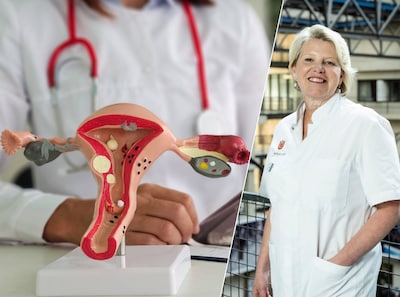
Providing better healthcare for working women could save more than 3 billion euros by reducing long-term absenteeism caused by undiagnosed hormonal and physical conditions. Research from Amsterdam UMC shows that timely treatment of common female health issues significantly improves economic productivity and alleviates pressure on the healthcare sector.

Record number of healthcare vacancies: labor market shortage remains severe

Record number of healthcare vacancies: labor market shortage remains severe

The Netherlands is facing a severe labor market crisis driven by record vacancies in healthcare and construction, exacerbated by an aging population and high absenteeism. Experts argue that overcoming these shortages requires activating untapped labor pools and addressing complex regulatory barriers to increasing working hours.