ad

No upfront costs, but help available: how smoking cessation reimbursement works

No upfront costs, but help available: how smoking cessation reimbursement works

Starting in 2027, patients will no longer need to pay upfront for smoking cessation medication as pharmacists will bill insurance providers directly. Currently, cessation programs and prescribed aids are already fully covered under basic insurance without affecting the deductible, provided they are part of an officially recognized program.

Starting in 2027, smokers and vapers in the Netherlands will no longer need to pay out-of-pocket for smoking cessation medication, as pharmacists will be able to bill health insurers directly. Currently, individuals seeking support must pay upfront and then submit a claim for reimbursement, though the service itself is already fully covered under the basic insurance plan without affecting the annual deductible. This coverage applies to professional guidance from a general practitioner or stop-coach, as well as necessary aids like nicotine patches, provided they are part of a recognized program.

Participants can engage in up to three cessation programs per calendar year. It is important to note that nicotine replacement products purchased independently at a drugstore are not eligible for reimbursement; they must be prescribed within an official program. For those using non-contracted providers, reimbursement rates may be lower and typically subject to the standard deductible. Consumers are encouraged to verify which coaches and practitioners are contracted through their specific insurance provider to ensure full coverage.

Based on reporting by ad. Translated and condensed by LocalHeadlines.

Related articles

Katwijk gives green light: US multibillion-dollar obesity drug plant approved

Katwijk gives green light: US multibillion-dollar obesity drug plant approved

The municipality of Katwijk has approved the construction of a large-scale Eli Lilly pharmaceutical factory focused on obesity and diabetes medication. The project is supported by a 100 million euro government deal to improve local infrastructure and housing, though it faces ongoing scrutiny over high water and energy consumption.

Catering at swimming pools and campsites struggling with flies in the kitchen

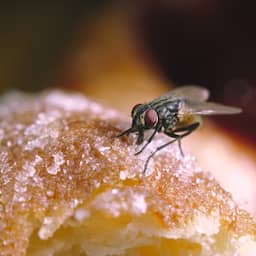
Catering at swimming pools and campsites struggling with flies in the kitchen

Recent inspections by the NVWA found that nearly half of hospitality venues at campsites and swimming pools in the Netherlands struggled with fly infestations during the hot summer. Additionally, over 25 percent of these businesses failed to maintain proper food storage temperatures, leading to 88 warnings and eight fines.

Better healthcare for women could yield 3 billion euros, as many currently struggle for years

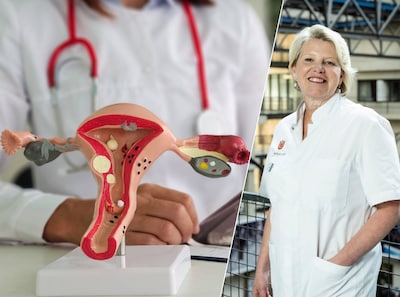
Better healthcare for women could yield 3 billion euros, as many currently struggle for years

Providing better healthcare for working women could save more than 3 billion euros by reducing long-term absenteeism caused by undiagnosed hormonal and physical conditions. Research from Amsterdam UMC shows that timely treatment of common female health issues significantly improves economic productivity and alleviates pressure on the healthcare sector.

Nightlife trend among Gen Z: alcohol falling out of favor, 3-MMC and ketamine rising in popularity

Nightlife trend among Gen Z: alcohol falling out of favor, 3-MMC and ketamine rising in popularity

A 2025 Antenne-monitor study reveals that young adults in Amsterdam are drinking less alcohol while the usage of drugs like 3-MMC and ketamine is increasing. This trend marks a significant shift in the nightlife habits of the younger generation.

Police and Customs seize bags of vapes at business park in Hoofddorp

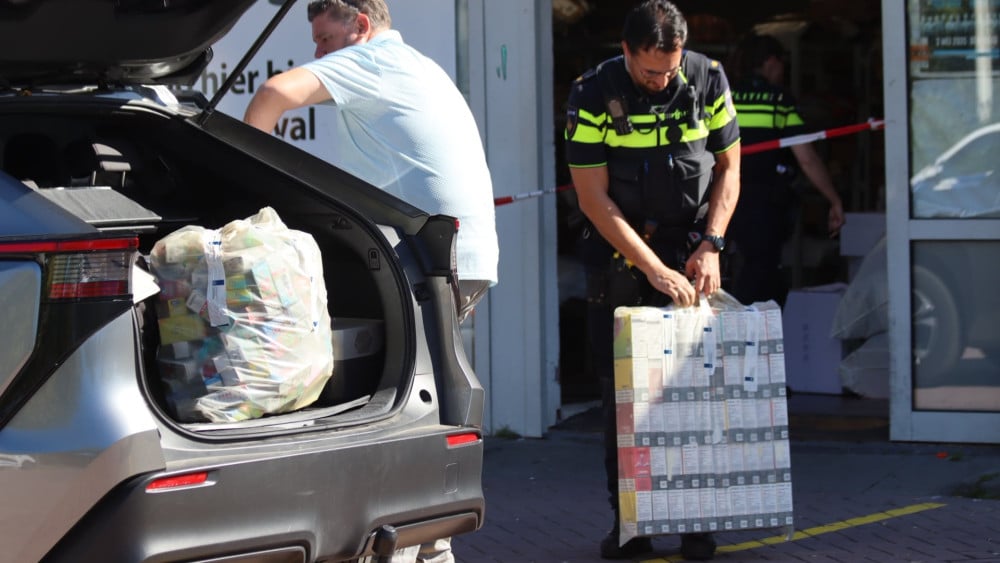
Police and Customs seize bags of vapes at business park in Hoofddorp

Police and Customs officials confiscated bags of illegal vapes and nicotine pouches during a raid at a business park in Hoofddorp. Authorities have not yet disclosed the specific details of the investigation or identified those responsible for the prohibited goods.